This article may contain affiliate links. If you buy through them, Raising Kids Outdoors may earn a small commission at no extra cost to you. Learn more.
Last spring, I found myself staring at a bare patch in our backyard, wondering what to do with it. My kids, ages 6 and 8, had been intrigued by the butterflies and bees hovering around our neighbors’ wildflower gardens. I thought, what happens if we plant wildflower seeds ourselves? Would we be able to attract those pollinators and create a mini habitat right outside our door? Armed with a packet of mixed wildflower seeds and a healthy dose of curiosity, we set out to find out.
The Preparation
Choosing the right seeds was our first step. I learned that native wildflower mixes are best for our region. They are adapted to the local climate and soil, which means they typically thrive better than non-native species. We picked a mix that included black-eyed Susans, coneflowers, and asters, which are known to attract various beneficial insects.
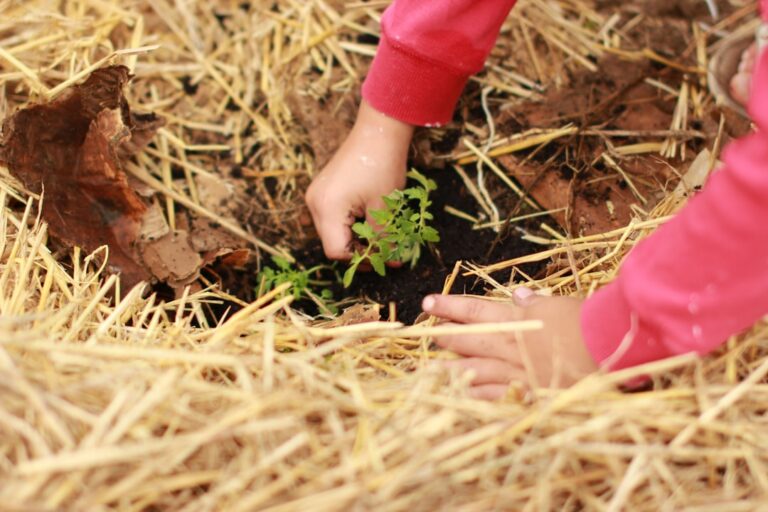
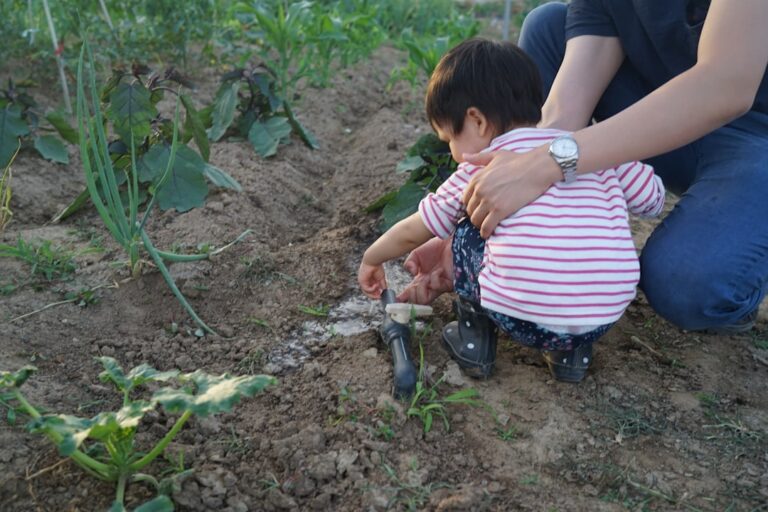
Preparing the soil was a bit of a family affair. The kids were excited to dig, and I was grateful for their enthusiasm. We used small shovels to clear the area of weeds and loosen the soil. My daughter, Lily, got especially into it, making little piles of dirt and demanding we name each one. I chuckled but made a mental note that engaging them in this way kept their attention focused longer. With this preparation, I hoped we were setting ourselves up for success.
Planting Day
On a sunny Saturday morning, we gathered our seeds and headed outside. I let the kids take the lead in planting. They scattered the seeds according to their own artistic vision rather than following a strict spacing guideline. Part of me wanted to intervene and show them the “proper” way, but I remembered that exploration and creativity are essential parts of learning. Plus, too much intervention might kill their excitement.
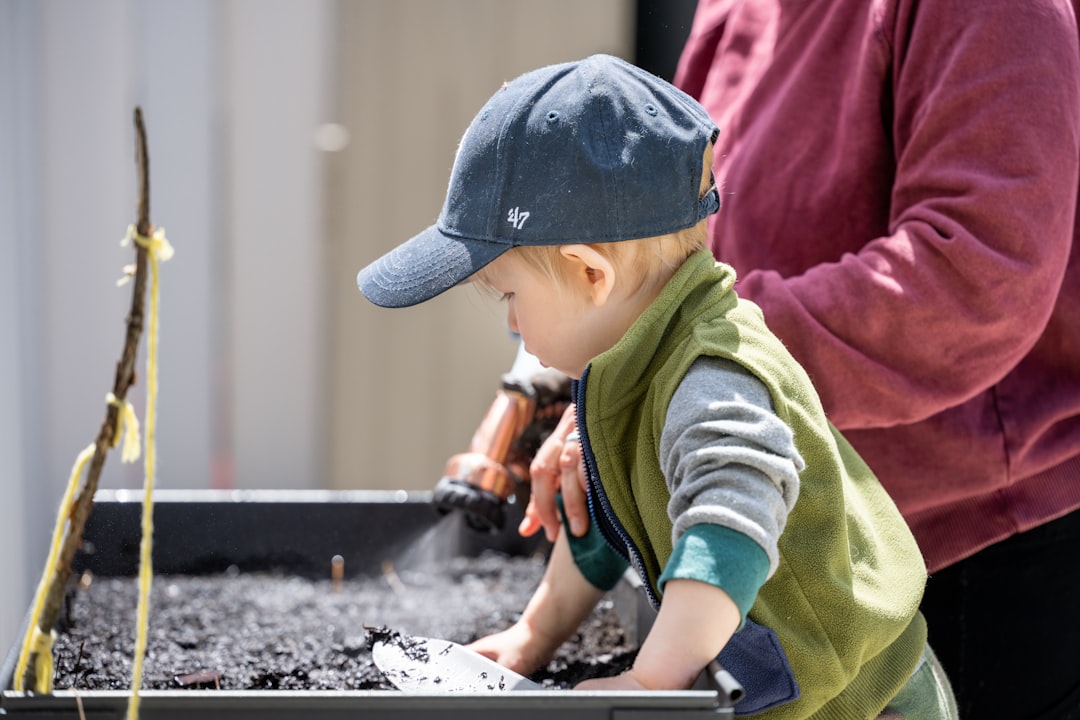
Once the seeds were in the ground, we covered them lightly with soil and gave them a good drink of water. I explained to the kids that wildflowers often do best when they experience a range of weather conditions. It felt like a lesson in patience. “We can’t rush nature,” I said, and they nodded, though I could see they were already impatient to see flowers sprout.
The Waiting Game
After planting, we had to wait. I set a reminder to check on our seeds every few days, but let me tell you, those first couple of weeks felt like an eternity. My son, Jake, would ask each day if anything had grown. I encouraged them to look for signs of life, like tiny sprouts or any activity from insects. They began to realize that nature operates on its own timeline, a concept that I hoped would stick with them.
First Signs of Growth
About three weeks in, we finally saw the first signs of life. Tiny green shoots began to poke through the soil. The kids were ecstatic, and I felt a swell of pride. We had managed to cultivate something living, and it was all thanks to their efforts. Watching them rush outside to observe the sprouts felt like a gift. They took turns measuring the growth each week, showing me their observations on a rough graph scribbled on paper.
As the weeks went by, the wildflower patch transformed into a mini ecosystem. New flowers began to bloom, and I noticed bees buzzing around. But not everything went smoothly. We had a few rainy days that washed away some of the seeds. We lost a few of our initial sprouts in a particularly heavy downpour. Instead of letting this discourage them, I used it as a chance to talk about resilience. Just like the flowers, we also need to adapt and keep trying.
Attracting Wildlife
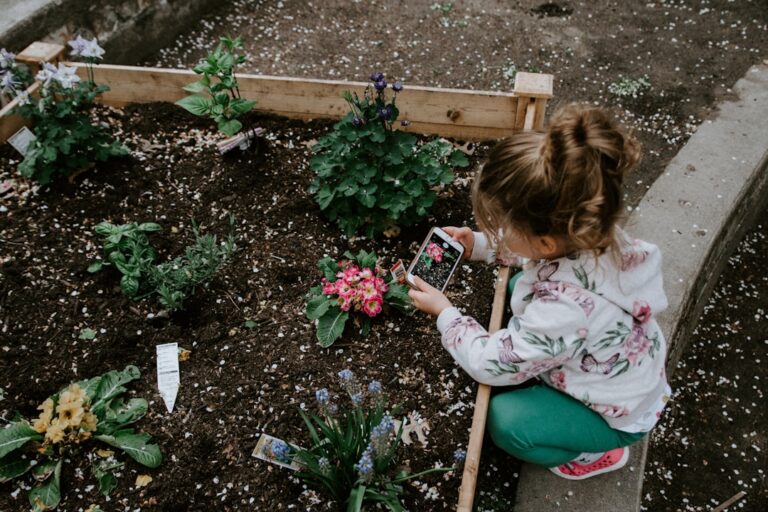
As summer approached, I was thrilled to see that our wildflower garden was attracting various insects. We spotted butterflies fluttering from bloom to bloom, and even a few ladybugs made an appearance. One afternoon, while we were lounging outside, I asked the kids to help me identify the creatures visiting our garden. They grabbed their nature journals and began sketching, turning our wildflower patch into an impromptu art studio.
This led to a series of mini-lessons about the different types of pollinators. Jake was especially interested in learning about the life cycle of butterflies and spent an afternoon capturing their movements with a camera. I was surprised at how engaged they were, and I realized that our little experiment had opened up a wealth of learning opportunities. It wasn’t just about growing flowers; it was about understanding the interconnectedness of life.
Challenges Along the Way
However, not everything was perfect. We faced some challenges that made me reconsider the whole project. A few weeks into the blooming season, I noticed some weeds attempting to invade our wildflower patch. It became a battle between the beauty of our flowers and the tenacity of the weeds. I involved the kids in discussions about why we needed to manage the weeds and how to do so gently, without harming the wildflowers.
One Saturday, we spent some time pulling out the unwanted plants. While it was hard work, I appreciated that both kids began to understand the importance of maintaining a garden. They grumbled about the weeds at first but found joy in seeing the wildflowers thrive afterward. I noticed that sometimes, even the challenges could lead to a greater appreciation for the successes.
Seasonal Changes and Lessons Learned
As summer turned to fall, our wildflower patch began to change. The vibrant colors faded, and some flowers died off, but I took this as an opportunity to discuss seasonal cycles. The kids were intrigued to learn that many of our flowers were self-seeding, which meant they would likely come back next year. This sparked a discussion about how nature works, and I felt a sense of satisfaction. We had successfully created a living classroom right in our backyard.
Reflecting on the entire experience, I realized a few key takeaways. First, engaging my kids in the planting and maintenance process kept them invested. Second, nature can be unpredictable, and that’s a lesson in itself. Finally, I learned that wildflowers provide not just beauty, but also a chance for education, creativity, and plenty of outdoor time.
Conclusion
What happened when we planted wildflower seeds in our backyard was so much more than just growing flowers. It became a journey filled with learning, discovery, and family bonding. We created a small ecosystem that brought joy and education into our lives. As we watch the seasons change and the flowers begin to fade, I am already dreaming about next spring and new possibilities. I hope this small project inspires you to try your hand at planting wildflowers, too. The rewards may surprise you.