This article may contain affiliate links. If you buy through them, Raising Kids Outdoors may earn a small commission at no extra cost to you. Learn more.
Last spring, I wondered what would happen if I let my kids take the lead in our garden. Rather than guiding every step of the process, I decided to hand over the tools and see where their curiosity would take us. At ages 5 and 8, I thought they were ready to explore the messy, chaotic world of gardening without a strict plan. I had my hypothesis: would they embrace the messiness and find joy in it, or would they get frustrated by the unpredictability? Spoiler alert: it was a delightful experience, full of laughter, learning, and more than a little dirt.
Starting with Seeds
We began our gardening adventure with a trip to our local garden center. I wanted to give my kids a sense of ownership, so I asked them to pick out the seeds they wanted to plant. The array of options was overwhelming, especially for my youngest. After much deliberation, they settled on a few favorites: zucchinis, sunflowers, and some wildflower seeds. As we checked out, I felt a mix of excitement and nervousness. Would planting these seeds be as joyous as I imagined?
The Plot Thickens
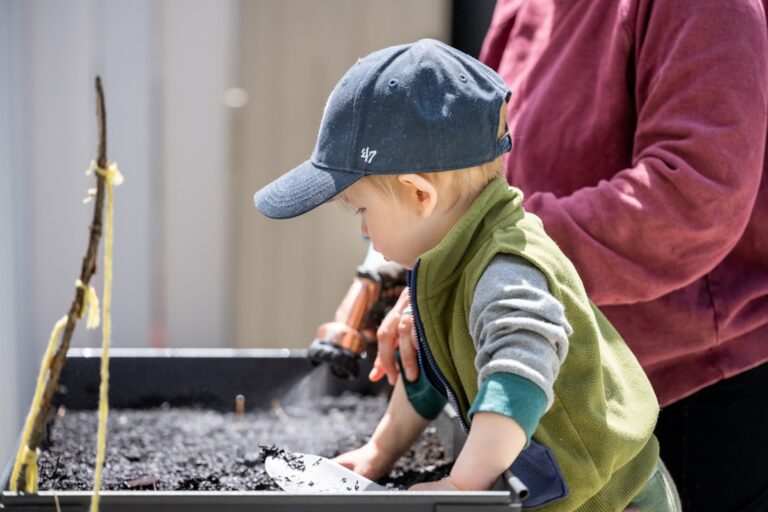
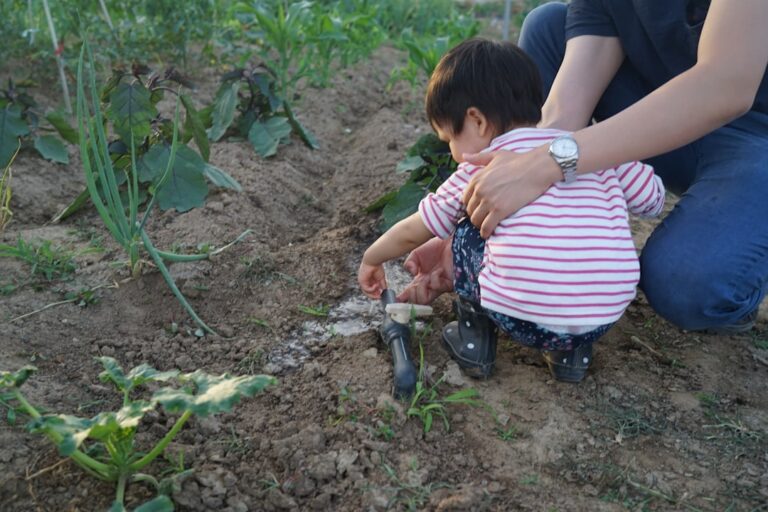
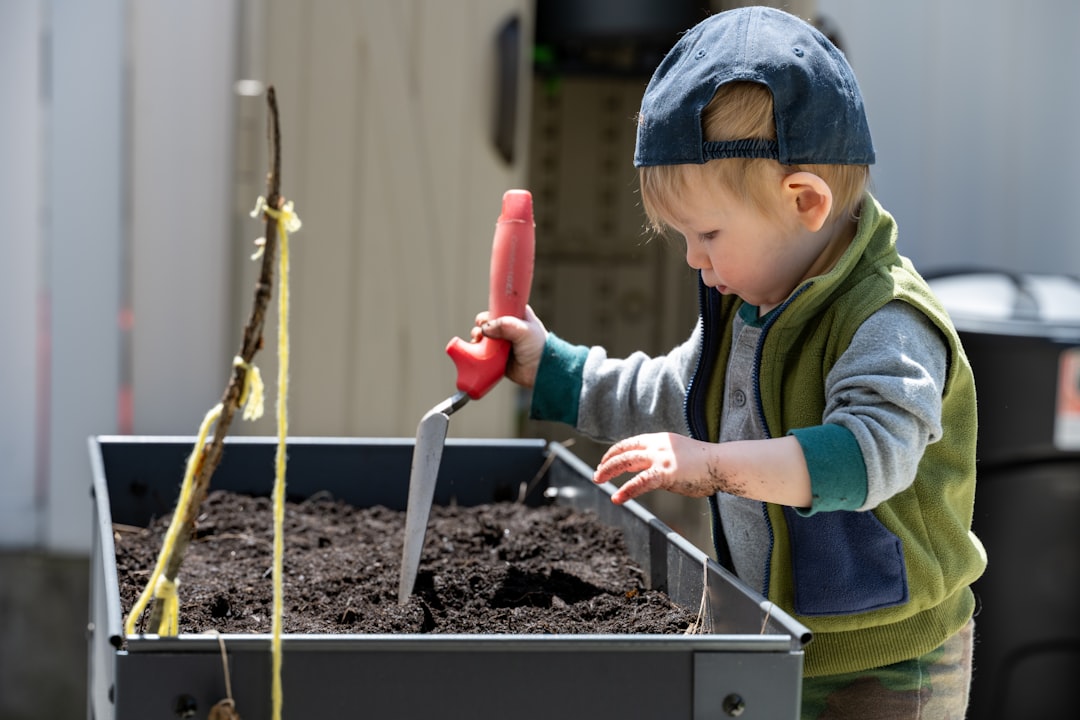
Back home, we prepped a small patch of our yard. I handed my kids a trowel and a few gardening gloves, and we dug into the soft earth together. There is something immensely therapeutic about getting your hands dirty, and it was fascinating to see how my kids reacted to the soil. Their eyes lit up when they discovered the worms wriggling in the dirt.
“Look, Mom, they’re like little squirmy friends!” my oldest exclaimed, holding one up for inspection.
This moment made me realize how invaluable getting dirty can be for kids. Not only were they exploring soil and insects up close, but they were also developing a healthy curiosity about nature. We spent the next hour digging, sifting, and giggling, completely lost in the moment.
Planting the Seeds
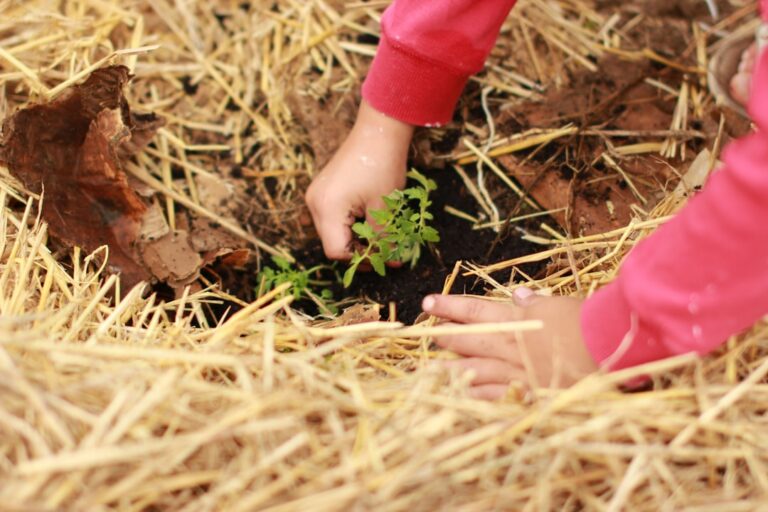
After preparing the soil, we got to planting. I encouraged my kids to place the seeds according to their own designs rather than following any set rows. Their creativity flowed as they scattered the sunflower seeds in a loose circle and tucked the zucchini seeds into the earth like little buried treasures. I found that giving them this freedom led to a more enthusiastic approach to gardening.
As we planted, I observed how my youngest took to heart the idea of planting seeds in a creative arrangement, while my older one took a more structured approach. This difference reinforced my belief that every child approaches nature and gardening in their own unique way. I wondered if this flexibility in their gardening process would translate into greater care for the plants as they began to grow.
Watering: The Splash Zone
Next came the watering phase. I set up a little station with a watering can and a hose. I knew my kids loved playing with water, but I didn’t expect the extent to which they would embrace it. In their eagerness to give the seeds a good drink, they created quite the splash zone.
Halfway through watering, I felt a cold splash on my leg. I looked down to see my youngest giggling uncontrollably, clearly enjoying the joyful chaos of it all. Instead of stepping in to correct the overzealous watering technique, I let it go. I reminded myself that this was not just about the outcome of our garden, but about the process and the joy of engaging with nature. The plants were getting watered, what did it matter if we all ended up soaked?
Learning from the Mess
As the day progressed, I noticed my kids start to ask questions. “How do plants drink?” “What do worms do for the dirt?” “Can we eat the zucchinis in a few weeks?” Their inquiries sparked a mini science lesson right there in our backyard. I found myself searching for answers, explaining pollination, photosynthesis, and the important role of worms in enriching the soil. Their genuine curiosity led to an unintentional yet rich learning experience.
“Mom, can we catch more worms?” my oldest asked, eyes sparkling at the thought of another adventure.
We spent some time lifting rocks and digging around nearby spaces to uncover more worms. This became a joyous treasure hunt that further connected my kids to the soil and all its inhabitants. By the end of the day, they had a small collection of worms in a makeshift terrarium, and I thought about how this simple act of gardening was encouraging them to engage in scientific exploration and inquiry.
Embracing the Unexpected
After weeks of care, our garden began to show signs of life. I often took a moment to sit back and observe how my kids interacted with the growing plants. They were so proud of the first green shoots pushing through the soil. I couldn’t help but notice how the experience was shifting their perspective on nature. It wasn’t just a garden; it was a living ecosystem that they had helped create.
However, the journey was not without its challenges. We faced our fair share of disappointments, from withering plants to unexpected pest invasions. One day, I found my youngest in tears after noticing that a family of aphids had taken up residence on our beloved zucchini plants. I knelt down beside them and reminded them that nature is unpredictable, and while sometimes things go wrong, that is part of the experience.
Problem Solving Together
We gathered together to research what we could do about the aphids, exploring organic solutions like soap sprays and ladybug releases. Our success rate varied, and some plants didn’t make it, but the lessons learned were invaluable. My children developed problem-solving skills and resilience as they learned that not all gardening efforts yield successful results. They even suggested we start a compost pile to help nourish our soil in the future. I felt proud of their growth, both as gardeners and as little humans navigating challenges.
Harvest Time and Reflection
Eventually, the day came when we harvested our zucchinis and sunflowers. The kids were elated to finally see the fruits of their labor, and we spent the afternoon in the kitchen, preparing a vegetable dish together. As we chopped and stirred, they recounted their favorite moments from our gardening journey. I realized that it was not just about growing vegetables; it was about fostering a sense of responsibility and connection to the environment.
Looking back, I’m glad I let go of control and allowed my kids to experience the joys of messy gardening. They learned so much more than I ever anticipated, science, responsibility, and the simple joy of getting dirty. I gained insight into their perspectives as well. They reminded me that nature is not a rigid structure with rules, but rather a vibrant, unpredictable playground.
Conclusion
Gardening with my kids taught me the value of embracing the unexpected. The process was filled with laughter, learning, and delightful messiness. I discovered that the joy of gardening lies not in perfection but in the exploration, curiosity, and connection it fosters. So, if you find yourself hesitating to dive into a gardening project with your children because of the mess, I encourage you to take the plunge. Allow yourself and your kids the freedom to embrace the dirt, the surprise, and the growth that comes from it all.