This article may contain affiliate links. If you buy through them, Raising Kids Outdoors may earn a small commission at no extra cost to you. Learn more.
This past weekend, my husband and I decided to put our kids’ packing skills to the test before heading out for a family camping trip. Our kids, aged 8 and 10, have participated in nature excursions from an early age, but we hadn’t yet given them the chance to take charge of their own gear. I wondered, what would happen if we handed the responsibility of packing over to them? Would they remember the essentials, or would we end up scrambling to borrow items from fellow campers?
Setting the Scene
Our destination was a scenic state park about two hours from home, renowned for its hiking trails and lakes. Before we even left the house, the kids were bubbling with excitement. They began gathering their favorite items to bring along, so I decided this was the perfect time to observe their choices and reasoning. I figured we could assess their understanding of what they needed for a weekend outdoors.
The Packing Strategy
To kick off, I laid out a checklist of essentials for the kids on a large piece of paper. While I wanted them to rely mainly on their own judgment, I thought having a guideline could help. The list included:
- Clothing (based on the weather forecast)
- Sleeping gear (sleeping bags, pillows)
- Food and snacks
- Water bottles
- Toiletries (toothbrush, soap)
- Outdoor gear (flashlights, bug spray)
I invited them to add anything else they thought was important. My younger one, Ella, immediately suggested her sketchbook and colored pencils for nature drawings. She often finds inspiration in the outdoors, so I was thrilled to see her creativity at play. Meanwhile, Sam, my older child, insisted on packing his fishing gear, even though I had no idea if we would even get a chance to fish. Yet, I liked that he was thinking ahead.
What They Packed
As I observed the packing process, I took mental notes. Ella filled her backpack with brightly colored clothes, a couple of stuffed animals, and the aforementioned sketching supplies. Sam was a bit more strategic but still included an extra pair of shoes he likely wouldn’t need. They both ended up with a mishmash of items, from essential gear to a few playful distractions.
What struck me was their confidence as they packed. They had a solid grasp of the basics, but neither of them included a first-aid kit or a multi-tool, which I felt was crucial for our excursion. Would it be better to step in and guide them, or let them learn from their own oversight?
The Drive and Anticipation
As we drove toward the park, I was curious about their reactions to the packed gear. Sam was a little worried he had forgotten something, while Ella felt proud of her colorful backpack and was eager to draw. The anticipation built as we talked about our plans for the weekend, including hiking, swimming, and cooking over the campfire.
Arriving at the Campsite
Upon arrival, the kids raced to set up their tent, which I had packed ahead of time. Watching them struggle with the poles reminded me of our first family camping trip years ago when I had to intervene often. This time, they were determined to do it themselves. While they took turns figuring out the tent construction, I couldn’t help but admire their teamwork.
Once the tent was up, I encouraged them to unpack their bags. I wanted to see if they would realize they forgot some items. To my pleasant surprise, they managed to produce most of what they needed. However, there was a notable lack of utensils and a proper cooking pot, which we had to borrow from another family camping nearby. I considered it a learning opportunity and let the incident slide.
Exploring the Outdoors
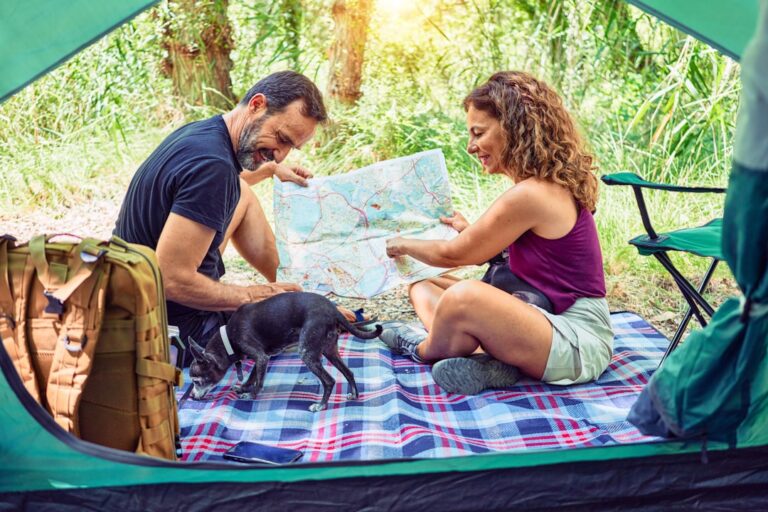
With their packing skills partially intact, we set off to explore. Hiking was our first activity, and I encouraged them to navigate while I followed. We had previously practiced map reading during a backyard scavenger hunt, so I handed them the map and watched as they took turns determining which trails to take. At one point, we ended up veering off course and getting slightly lost, but they handled the detour well. It became an impromptu lesson in trail etiquette when we encountered other hikers.
Reflections on Learning
As the sun set, we gathered around the campfire, sharing stories and roasting marshmallows. I took a moment to reflect on our day and observed the kids’ body language. Sam felt accomplished for having navigated some tricky trails, while Ella proudly showed her nature sketches. Their initial packing missteps didn’t seem to dampen their spirits, and they were far more engaged in the experience than I had anticipated.
I wanted to capture their thoughts, so I asked how they felt about their packing choices. Sam admitted it would have been smarter to include more practical items. Ella, on the other hand, didn’t care much about the forgotten cooking gear; she was far more interested in the wildlife we had seen. It was fascinating to note their different priorities.
Lessons Learned
After our weekend camping trip, I wanted to take a step back and evaluate the experience. Yes, they had forgotten important items and we had borrowed gear, but the excitement and engagement outweighed any minor setbacks. That said, I wondered how other families tackle the packing process and what methods they might employ to ensure their kids are ready for the great outdoors.
Insights for Future Trips
Here are a few thoughts I gathered that could help if you decide to let your kids lead the packing process:
- Provide a checklist, but let kids make their choices. This strikes a balance between guidance and independence.
- Encourage them to pack based on planned activities. Discussing what they might want to do can help them think critically about what gear to include.
- Let them experience some missteps. It’s part of learning, and it often leads to the best conversations.
- Celebrate their successes. Acknowledging their efforts, regardless of the outcome, boosts confidence for the next adventure.
Looking Ahead
As I tucked the kids into their sleeping bags that night, I felt a sense of pride in their journey toward independence. Their weekend was filled with nature, teamwork, and a few hiccups that turned into valuable lessons. I look forward to future outings where they can further hone their outdoor skills and packing prowess.
Ultimately, this experiment revealed much more than just what to pack for camping; it showed me the importance of allowing kids to take the lead in their outdoor experiences. As they grow, so will their ability to navigate not just the trails but their own adventures in life.