This article may contain affiliate links. If you buy through them, Raising Kids Outdoors may earn a small commission at no extra cost to you. Learn more.
Last summer, I decided to transform our weekly nature walks into mini science labs. My kids, ages six and eight, were curious but could quickly lose interest if the activity felt too structured or forced. I wanted to test whether infusing our outdoor exploration with a bit of scientific inquiry could spark their natural curiosity and deepen their connection to the environment. I prepared a few simple experiments to see how they would react when we approached nature with a more hands-on learning angle.
Setting Up Our “Labs”
Before we set out, I gathered some basic supplies: a magnifying glass, a small notebook, colored pencils, and a simple field guide to local plants and insects. My goal was to create opportunities for observation, questioning, and discovery without overwhelming them. I wanted them to feel like real scientists, albeit on a child-friendly scale.
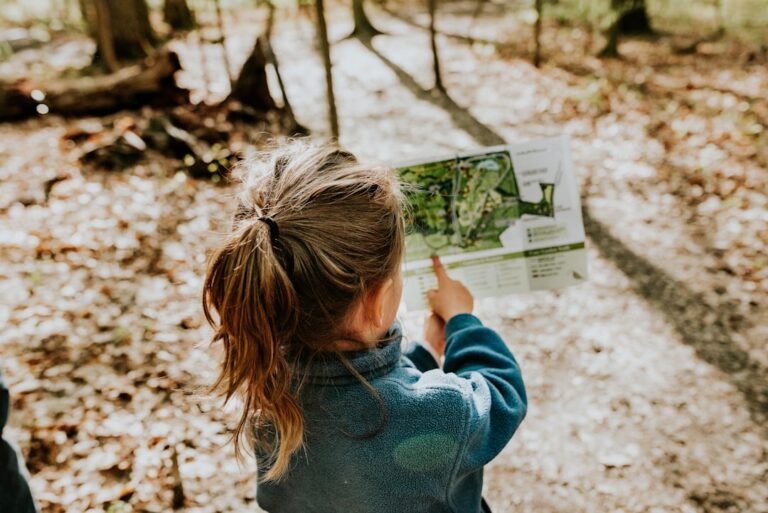
As we walked through our local park, I encouraged the kids to observe their surroundings closely. I prompted them with questions like, “What colors do you see?” and “How many different shapes are in that bush?” By framing our walk as a series of mini experiments, I was curious to see if it would heighten their awareness of the natural world.
Experiment One: The Color Spectrum
We started with an informal color scavenger hunt. I asked the kids to spot and draw as many colors as they could find in nature using their colored pencils. They began by identifying vibrant flowers and exciting green leaves, which led to a lively discussion about how different colors can mean different things in nature. I noted how this simple task transformed their observations from casual to focused.
My daughter was particularly fascinated by a butterfly fluttering nearby, and she quickly jotted down her observations about its colors and patterns. This activity not only engaged their artistic side but also sparked questions about why certain colors attract specific insects. Why were some flowers bright while others were more muted? These questions led us into a deeper exploration of pollination and the role of colors in nature.
Experiment Two: Bug Investigation
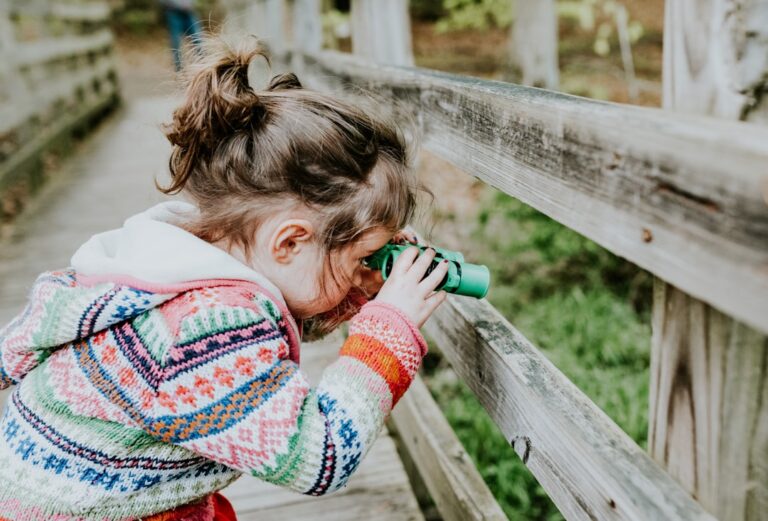
Next, we conducted a bug investigation. Armed with our magnifying glass, we turned over rocks and inspected patches of soil. The kids were excited to hunt for insects and other small creatures while I encouraged them to take notes about their findings. I asked them to describe the bugs they saw and to sketch the different shapes and sizes. They were amazed to find ants marching in a line and tiny spiders weaving webs.
As we examined a particularly interesting beetle, my son asked how we could know what kind it was. This was the perfect opportunity to pull out our field guide and engage in a bit of research. Looking at the pictures together, we learned that the beetle was a type of ladybug and discussed its role in the ecosystem. I found it remarkable how a simple bug observation led to a mini-lesson about biodiversity, food webs, and the importance of insects.
The Importance of Questions
One of the most significant benefits of these science-lab nature walks was how they encouraged my children to ask questions. Instead of simply pointing out things they saw, they began to think critically. “Why do some leaves have holes?” and “How do worms help the soil?” became common inquiries. Instead of supplying them with answers right away, I often guided them to discover the answers themselves or suggested we look them up later.
This approach aligned perfectly with their natural curiosity and led them to take ownership of their learning. Rather than just being passive observers, they were active participants in uncovering the mysteries of the environment around them. It felt like we were cultivating a sense of wonder about the world, which was truly rewarding for me as a parent.
Experiment Three: Nature’s Diary
After our bug exploration, we shifted gears to an activity I called “Nature’s Diary.” I encouraged the kids to write about their favorite parts of the walk and draw a scene or two. This exercise combined creativity with reflection, giving them a chance to process what they had seen and learned.
As they scribbled and sketched, I noticed that they were deep in thought. Their drawings included not just the insects we had observed but also the trees and flowers they found appealing. My daughter wrote about the “magical” feeling of discovering a ladybug, while my son focused on the intricacies of an ant colony. It was fascinating to see how their perspectives differed, even though the experiences were shared.
Challenges and Adjustments
While I found many successes in our nature lab experiments, not every plan went off without a hitch. At times, my kids lost interest or got distracted by something completely unrelated, like a dog passing by or a particularly interesting stick. I learned that flexibility is key. When I sensed their attention waning, I adapted by shifting our focus or introducing a quick game, like finding the tallest tree or spotting a bird.
One day, when my son seemed less inclined to participate, I learned to ask for his input on what he wanted to explore. By giving him some agency, he eventually suggested we investigate the creek at our park. What started as an uninspired stroll turned into an enthusiastic search for tadpoles and interesting rocks. This taught me that sometimes the best experiments come from following their lead rather than sticking strictly to a plan.
Unexpected Learning Moments
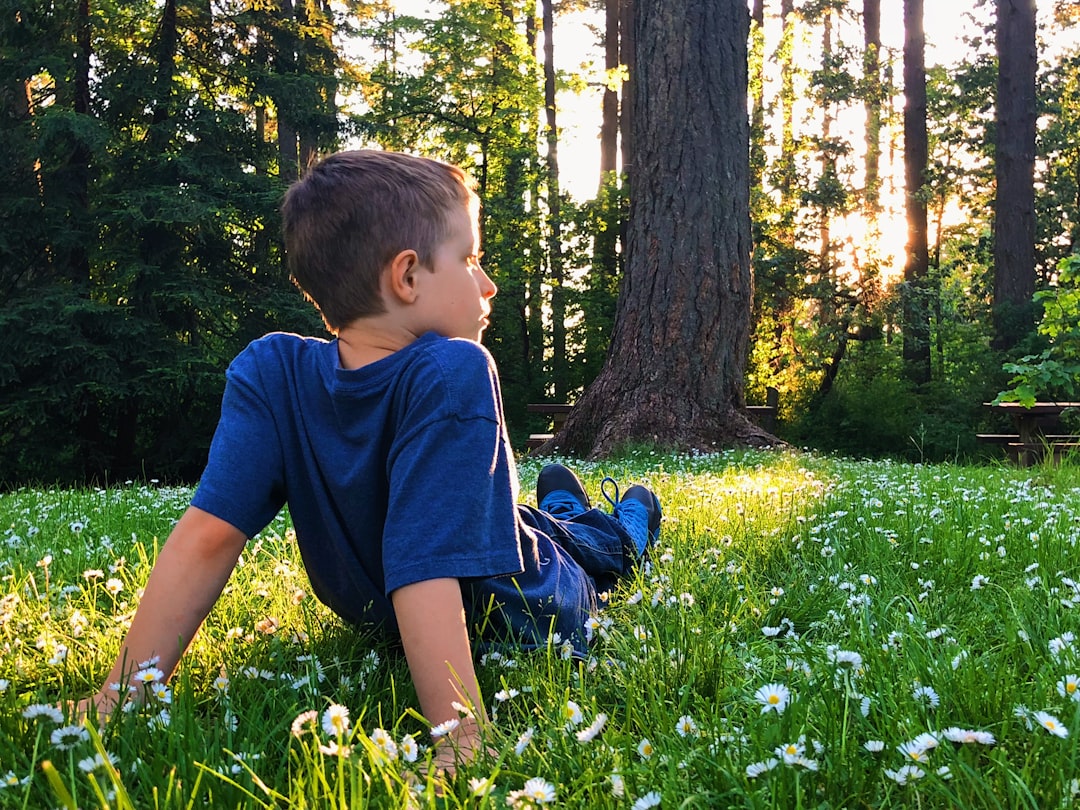
Some of the best moments of our nature walks came when I least expected them. One afternoon, we stumbled upon a small patch of wildflowers. Instead of moving on, I asked the kids to sit quietly and observe what happened. After a few moments, we noticed bees buzzing around, collecting nectar and pollinating the flowers. This spontaneous observation turned into an unexpected lesson on ecosystems and the interconnectedness of plants and insects.
Those quiet moments reminded me that nature itself often provides the best lessons, sometimes without any preparation at all. It was a valuable reminder that while I aimed to structure our learning, being open to spontaneity often led us to richer experiences.
Closing Thoughts
Transforming our nature walks into science labs allowed my kids to engage with the environment in a more meaningful way. By asking questions, making observations, and participating in hands-on activities, they not only retained information but also developed a deeper appreciation for the natural world. Turning a simple walk into a learning experience sparked curiosity and created lasting memories.
Ultimately, I discovered that the true magic lies not just in the experiments we conducted but in the conversations, questions, and shared experiences that emerged along the way. Nature walks can be both a time for exploration and a dynamic classroom, prompting us all to see the world through a curious lens.