This article may contain affiliate links. If you buy through them, Raising Kids Outdoors may earn a small commission at no extra cost to you. Learn more.
Recently, I’ve found myself pondering a question that blends curiosity with a touch of nostalgia. What happens if I let my kids take the lead during our outdoor explorations? I’ve often been the one with the map, guiding our family down trails and pointing out interesting plants or critters. But what if I handed over the reins and let them set the pace and direction? Would they remember more of what we discovered? Would it change their experience of the outdoors?
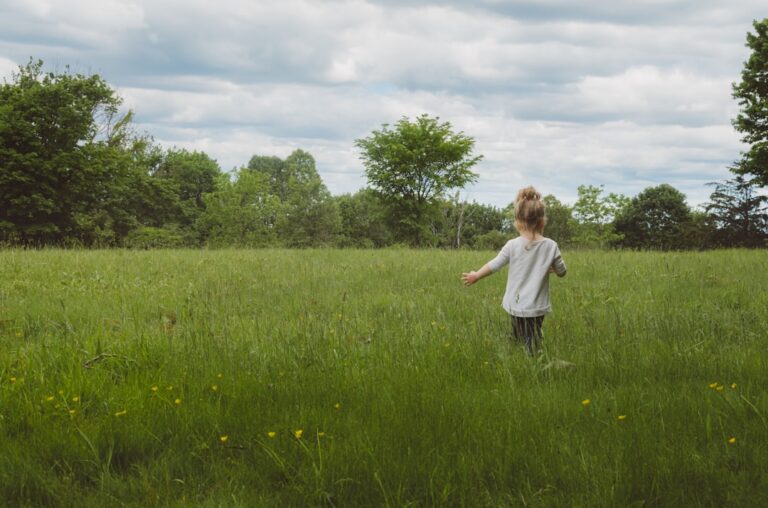
Several weekends ago, I decided to put this hypothesis to the test. My kids, ages 7 and 10, had just finished a unit at school about local ecosystems, including streams, forests, and habitats. Armed with their newfound knowledge, I thought it was the perfect time to encourage their exploration skills. We headed to a nearby nature reserve, a place we had visited before but usually followed a predetermined path. This time, I handed the map to my eldest and asked her to choose our route.
Setting the Stage for Exploration
One of the first things I noticed was how the dynamic changed immediately. My kids were suddenly more engaged, looking at the map with intense concentration. They were not just passively following me; they were actively involved in decision-making. My youngest pointed out a possible trail that led towards a small creek, which was a spot we had always enjoyed in the past.
As we walked, I made a point to observe how they interacted with their surroundings. When I usually guide them, I tend to highlight various aspects of nature, the different types of trees, the sounds of birds, or even the textures of leaves. However, this time, they took the lead. They began to discuss among themselves what they might see, weaving stories and questions about the ecosystem around us.
The Engagement Factor
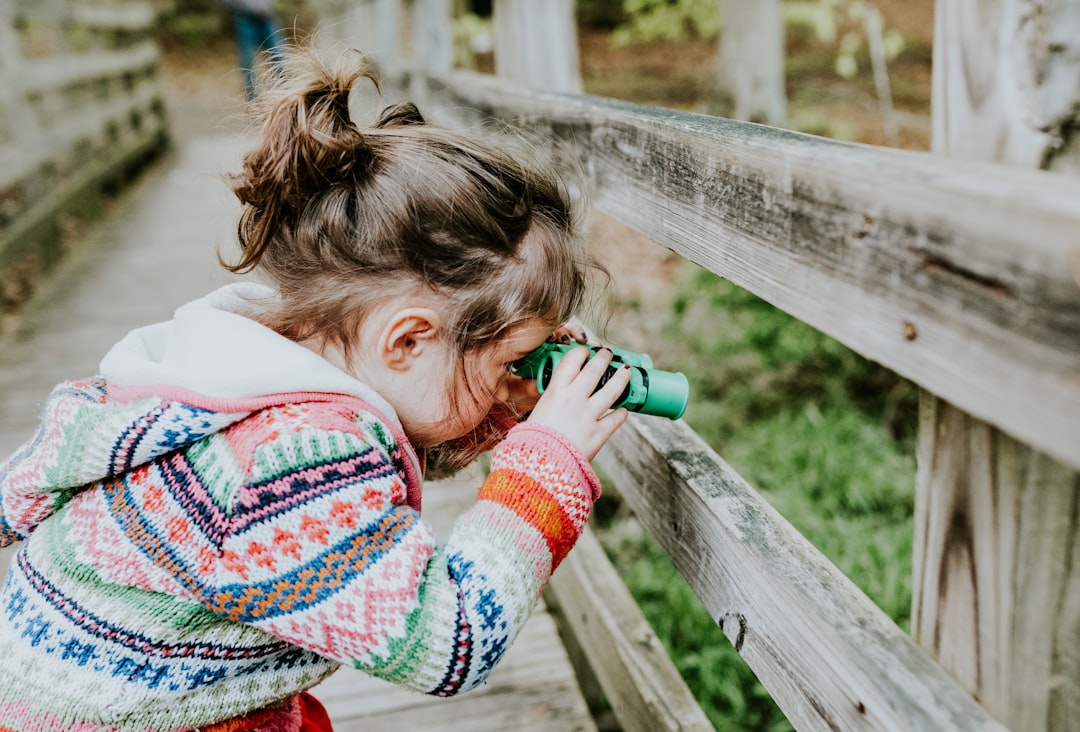
What struck me the most was the level of enthusiasm they displayed. They seemed to be more alert, pointing out small details that might have gone unnoticed if I had been leading the way. My youngest, for example, noticed a caterpillar inching across a rock. If I had been in charge, we might have rushed past it, but he insisted we stop and observe. In that moment, I realized that allowing them to lead had sparked a deeper sense of curiosity.
According to educational research, children often remember more when they are actively involved in the learning process. It makes sense, right? When kids feel a sense of ownership over their exploration, they are more likely to engage their senses and emotions, which in turn strengthens their ability to recall information later. The physical act of leading their adventure seemed to enhance their retention of knowledge about the natural world.
Lessons from the Field
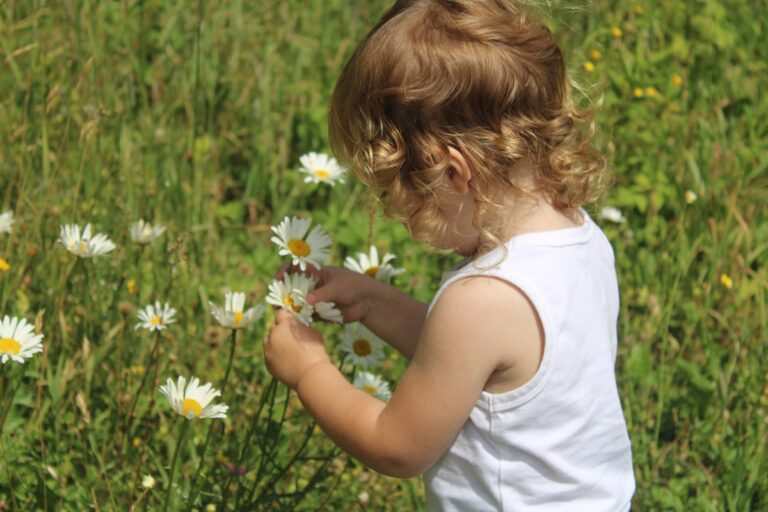
As we continued along the trail, I noticed how they were keen to share their findings with each other. The moment we found a cluster of wildflowers, my eldest narrated what she had learned about pollinators from school, linking the flowers to bees and butterflies. This wasn’t just idle chatter; she was connecting the dots between classroom lessons and real-world observations. It highlighted an often overlooked benefit of letting kids lead, opportunities for discussion and collaborative learning.
Challenges Along the Way
Of course, the day wasn’t all smooth sailing. At one point, we encountered a muddy section of the trail. My youngest panicked a bit, unsure of how to navigate the slippery terrain. I could have jumped in to take charge, but instead, I encouraged him to think through it. He took a deep breath and suggested we find a way around it. Ultimately, they both found a drier path, which reinforced their problem-solving skills and boosted their confidence.
However, not everything was a lesson in triumph. There were moments when they disagreed on which direction to take or what to stop and examine. I noticed that at times they became frustrated with each other, and I had to step in gently to mediate. This taught me that while letting them lead is valuable, there’s also a balance to maintain. It’s essential to guide them in how to navigate disagreements, as these are valuable life skills too.
The Impact of Time and Space
Another observation I made during our explorations was the effect of time. When I’m in charge, I often have a mental checklist of things to do or see, which can limit the time we spend exploring certain areas. By letting my kids choose where to go, we lingered longer in places that piqued their interest. We spent what felt like ages observing ants at work, which I would have brushed off if I were leading the way.
This leisurely approach meant that they had the freedom to explore and ask questions about what they observed. We even had a chance to discuss the role of ants in the ecosystem. The more time we spent exploring, the more questions they had, which led to deeper discussions about food chains and habitats.
Creating Lasting Memories
After our adventure, I wanted to test my hypothesis further. I sat down with them a few days later and asked them what they remembered from our exploration. Surprisingly, both kids recalled specific details vividly. They remembered the muddy section, the caterpillar, and even the ants. They each shared their favorite moments and what they had learned, which truly impressed me. It felt rewarding to see them take ownership of their learning.
In contrast, I couldn’t help but recall our previous family hikes, where I had led the way and often found them distracted or disengaged. It was a stark difference in how active participation changed their experience and retention of information. It made me realize the importance of not just being present outdoors but actively engaging my kids in their own learning process.
Creating Opportunities for Leadership
As I reflect on this exploration, I see the importance of creating opportunities for my kids to lead, especially as we venture into nature. Here are some practical ways I plan to foster their leadership skills during our outdoor adventures:
- Empower Decision-Making: Continue to hand them the map or let them decide our destination. Encourage them to research the area ahead of time to spark their interest.
- Foster Curiosity: Ask open-ended questions that prompt them to explore further. For instance, “What do you think lives in that tree?” encourages them to engage with their surroundings.
- Encourage Teamwork: When disagreements arise, guide them through discussions on how to reach a compromise or consensus, reinforcing their conflict-resolution skills.
- Record Observations: Bring along a journal for them to sketch or write about their findings. This can enhance retention and create a tangible keepsake of their learning experience.
- Reflect Together: After each outing, take time to reflect on what they learned and enjoyed. This reinforces their memories and builds anticipation for future explorations.
Conclusion
Letting my kids lead during our nature explorations proved to be a transformative experience for all of us. They not only engaged more deeply with their surroundings but also forged connections between their knowledge and real-world observations. This experiment reinforced my belief that children often remember and learn more when they are actively involved in the process. As we continue to explore the great outdoors together, I look forward to seeing how their leadership skills develop and how their memories of these adventures become a cherished part of their childhood. After all, the time spent outdoors is not just about finding the path, but about discovering so much more along the way.