This article may contain affiliate links. If you buy through them, Raising Kids Outdoors may earn a small commission at no extra cost to you. Learn more.
As spring unfolded last year, I found myself wondering what the kids would discover if we encouraged them to observe the world around them more closely. I decided to introduce a simple journal project focused on our backyard ecosystem. My hypothesis was that recording their observations would enhance their connection to nature, sharpen their observation skills, and inspire curiosity about the living things right outside our door.
The Materials
We gathered a few basic supplies for our backyard exploration: a notebook, colored pencils, and a field guide for local plants and animals. I let the kids choose their own notebook, which they excitedly decorated with stickers and drawings. I figured this would make them feel more ownership over the project. In hindsight, I realized that even something as simple as a notebook can be an exciting tool for learning.
Our field guide played a crucial role, offering insights into the various plants and critters we might encounter. We chose one that was specifically tailored to our region, which kept the information relevant and engaging for them. This was particularly helpful when we spotted unfamiliar insects or flowers.
Setting the Stage for Observation
To kick off our journaling, I encouraged the kids to spend time in different areas of our yard. Observing where the sunlight hits the ground, noting any differences in soil quality, and identifying the birds that frequented the bird feeders became part of their routine. I also suggested they sit quietly for a few minutes in different spots, just listening and watching. I was pleasantly surprised when my younger child, who was seven at the time, was captivated by the way the wind moved through the trees, creating a gentle rustling sound.
Focusing on Senses
As part of our observation, I encouraged the kids to use all their senses. What did the flowers smell like? How did the grass feel between their toes? What sounds did the birds make? This multi-sensory approach not only kept them engaged but also helped them understand that nature is a tapestry of experiences. My eldest, at ten, started recording temperature changes and weather conditions, noting how these affected the creatures we observed. This led to some great conversations about climate and habitat as we connected our findings with our daily experiences.
The Journal Experience
We aimed to spend at least a little time outside each day, interacting with our environment and documenting our findings. The journal became a collaborative effort; the kids often traded ideas and observations, encouraging each other to notice details they might have overlooked. One memorable afternoon, they discovered a caterpillar on a milkweed plant and spent a long time sketching it. The conversation flowed as they speculated about what kind of butterfly it would become.
What Worked and What Didn’t
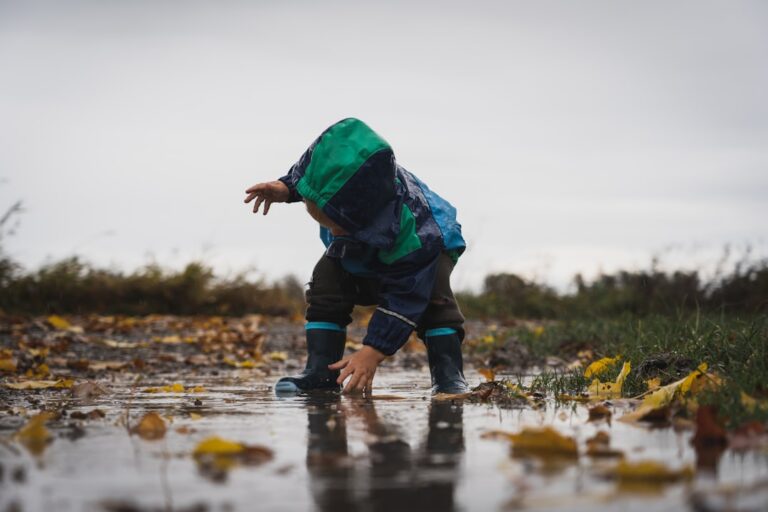
Some days, however, the kids were less enthusiastic. On particularly rainy days, their attention waned quickly, and keeping them focused on journaling was a challenge. I learned that having a flexible approach was key. Forcing them to sit and write when they would rather run around or jump in puddles was counterproductive. Instead, we adapted the activity to allow for spontaneous play, making sketches or jotting down thoughts later, when they were feeling more inclined.
We also discovered that choosing a specific focus for each day helped maintain their interest. One day we’d look for birds, while another day we’d concentrate on flowers or insects. This variety kept the experience fresh and exciting. Noticing patterns, like the types of birds that visited different feeders, became a fun challenge. My kids eagerly awaited the arrival of the hummingbirds, keeping their eyes open for the telltale flash of green and red.
Connecting with the Larger Ecosystem
As our journaling progressed, we began making connections beyond our backyard. I encouraged the kids to look for signs of seasonal changes and think about how those changes impacted local wildlife. For instance, they noticed that as the weather warmed, the ants became more active, and the birds began building nests. They also began to draw connections between our yard’s ecosystem and the larger environment surrounding us.
Incorporating Community Learning
As the project continued, I found it beneficial to connect our backyard explorations to community events. We attended a local nature walk led by a naturalist, who helped us identify various plants and animals beyond our yard. The kids enjoyed sharing their journal entries with the group, which inspired them to dig deeper into their observations. They returned home excited about the newfound knowledge they could apply to our backyard.
Creativity and Storytelling
Along with scientific observations, we made space for creative writing in their journals. Each child had the chance to write and illustrate a short story about their favorite animal or plant they had observed. This added a layer of creativity to our outdoor learning, allowing them to express their thoughts and experiences in a fun way. My youngest created a whimsical tale about a curious snail’s journey across our garden, while my eldest wrote about a majestic hawk he had seen soaring overhead.
Reflecting and Revisiting
As summer progressed, I encouraged the kids to revisit their observations from earlier in the season. This reflective practice allowed them to see how their understanding had evolved. They were surprised to find that the vibrant flowers they had sketched in spring had transformed into seed heads by late summer. They noted how the changing seasons impacted not just the plants, but also the animals and insects that frequented our yard. Watching their fascination grow was one of the rewarding aspects of this experience.
Lessons Learned
Through this journal project, I learned that spending time outdoors with an observational focus can be incredibly enriching. The act of documenting their interactions with nature nurtured their curiosity and made our backyard feel like an ever-changing, dynamic environment. My hypothesis was confirmed; engaging them in a simple journaling activity helped them connect with the natural world and each other in ways I hadn’t anticipated.
Final Thoughts
As I reflect on our backyard ecosystem exploration, I can already see the lessons it imparted on my children. They learned to appreciate the small wonders of nature, and their confidence in observing and expressing their thoughts grew. This project did not just introduce them to science, but also tweaked their creative muscles and sparked enjoyable conversations about the environment. Encouraging kids to document their findings can be a simple yet powerful way to foster a lifelong appreciation for the great outdoors. I look forward to returning to this project, with new questions and fresh discoveries awaiting us at home.