This article may contain affiliate links. If you buy through them, Raising Kids Outdoors may earn a small commission at no extra cost to you. Learn more.
This summer, I found myself pondering a simple question: can kids really get comfortable sleeping outside in a sleeping bag? My three children, ages 6, 8, and 10, have always shown a bit of enthusiasm for camping, but the prospect of actually sleeping in the great outdoors made me curious. We decided to conduct an experiment on a weekend camping trip to a nearby state park. I wanted to see how each of them would adapt to sleeping under the stars, both in terms of comfort and overall experience.
Preparing for the Experiment
Leading up to our trip, I gathered a variety of sleeping bags, each with different features. Some were lightweight, designed for warmer weather, while others were bulkier, made for cooler conditions. This seemed like the perfect opportunity to test which types worked best for different kids and their unique preferences.
On the day of our departure, I asked each child to pick their sleeping bag and pack their own pillow. I wondered how their choices might reflect their personalities. My youngest, Leo, gravitated toward a vibrant blue bag with dinosaur prints, while Isla, my middle child, opted for a bright pink bag adorned with stars. My oldest, Jake, chose a more subdued green mummy bag, likely influenced by his recent obsession with camping gear. I let them take the lead on this, anticipating that their excitement would contribute to a positive experience.
Setting Up Camp
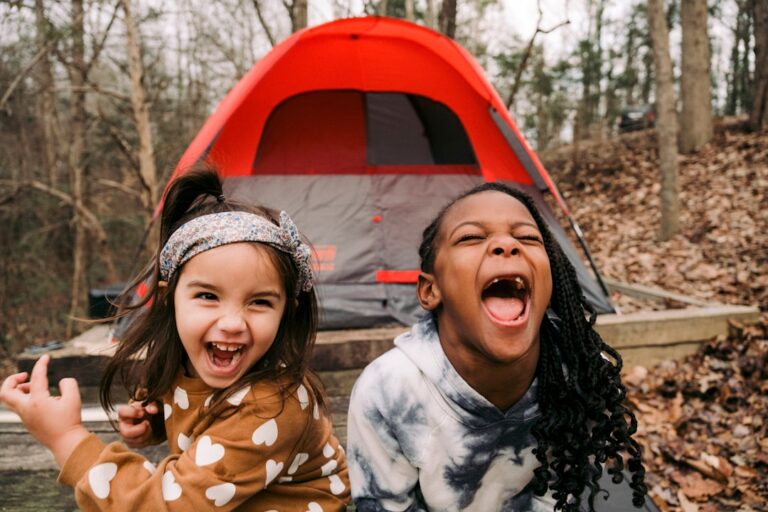
Upon arriving at our campsite, we set about pitching our tent. The kids were eager to help, but I noticed how their energy fluctuated as we worked. After about 20 minutes, Leo was ready to play, while Isla wanted to stay focused on getting the tent just right. Jake, with his older-brother instincts, tried to keep them in line, but ultimately, we ended up with the tent slightly crooked. They didn’t mind; they were just thrilled to be outside.
Once the tent was up, I gathered the kids for a quick chat about our sleeping arrangements. I wanted them to feel a sense of ownership over the process, so I asked them how they wanted to arrange their sleeping bags inside the tent. They decided on a “sleepover” style, with their bags laid out side by side. As the sun began to set, I watched their excitement build. Would their choices translate into comfort when it was time to sleep?
The First Night
As night approached, the temperature dropped significantly. We cooked dinner, told stories, and even spotted a few fireflies dancing around us. But soon, it was time to settle in for the night. I encouraged each child to crawl into their bag and recommended they bundle in tightly, just like a caterpillar in a chrysalis. I was curious to see who would adapt best to the cool temperatures.
The kids made a game of getting comfortable, wriggling around and laughing as they tried to find the perfect position. Leo was the first to declare that he wanted to sleep with the bag unzipped, but I reminded him that it might get cold. Isla, ever the night owl, asked if we could read one more chapter of her book before sleep. Jake, on the other hand, quickly settled into his mummy bag, making me think he was more prepared for the experience than the others.
Midnight Realizations
A few hours later, I awoke to a chorus of murmurs from inside the tent. I poked my head in to check on everyone. Leo had pushed himself out of his bag entirely, wrapped in a blanket he had brought. Isla was tightly zipped but had somehow managed to twist herself into a knot. Jake was still snug and asleep, completely unaffected by the night chill.
I took this opportunity to reflect on the sleeping bag performance. Leo, who had always preferred to be warm and cozy, clearly needed something more forgiving than a lightweight bag. Isla’s fidgeting made me believe that a bag with more room to move might suit her better. Jake’s choice seemed to be the right one for him, as he thrived in the cooler temperature.
Lessons Learned
As the sun rose, the sounds of the forest became increasingly alive. I made breakfast while the kids unzipped their bags and crawled out of the tent. Over pancakes and fresh fruit, we discussed their experiences from the night before.
- Leo: “Next time, I want a fluffy one. I didn’t like being cold!”
- Isla: “I think I want a bigger bag so I can roll around.”
- Jake: “My bag was the best! I didn’t feel cold at all.”
Based on their feedback, I realized how important it is to consider each child’s individuality when choosing outdoor gear. What works for one may not work for another. The kids’ preferences varied significantly, Leo needed something cozy and warm, Isla longed for freedom of movement, and Jake thrived with his tightly fitting bag. This variety highlighted a key takeaway: comfort in the outdoors is not a one-size-fits-all solution.
Testing New Variables
With this newfound understanding, I thought about how we could expand our experiment. The next night, I borrowed a few other sleeping bags from friends to test different lengths, materials, and insulation types. We had a down-filled bag, a lightweight synthetic one, and an oversized bag that promised maximum comfort. I hoped this would not only provide us with more options but also engage the kids in further discussions about what makes for a comfortable night’s sleep.
When we set up camp again, the kids excitedly jumped into the new bags and tested them out. They had a blast discussing the differences, they compared the warmth of the down bag to the weight of the synthetic one. Once again, Jake preferred the mummy bag he was familiar with, while Isla opted for the oversized bag. Leo, however, wanted to test them all, insisting he could find the perfect combo of comfort and warmth.
That night, I saw a shift in their approach to sleep outdoors. They understood that comfort could be achieved with the right gear and setup, and they were happy to experiment to find what worked best for them. The discussions around the campfire were filled with laughter and frustration as they dove into their sleeping options, and I was glad to see their engagement.
What Our Experiment Taught Us About Outdoor Comfort
Through our sleeping bag experiment, I learned that comfort outdoors is influenced by more than just the sleeping bag itself. Factors like temperature, terrain, and personal preferences all play a role. It made me realize that camping is not merely about getting outside. It is about learning to adapt, understand our needs, and make choices that lead to enjoyable experiences.
“The best part of camping is learning what works for you and making it into a fun adventure.”
As such, my advice is straightforward: when preparing for a family camping trip, take the time to involve your kids in the selection of their gear. Let them feel a sense of ownership over their experiences, and encourage them to express what they need for comfort. Our experiment was rich with learning moments that extended beyond just sleeping bags. We learned to navigate the outdoor environment together, which has enriched our family camping experiences immensely.
As we continue to explore the outdoors, I am eager to see how the kids evolve in their understanding of comfort. I look forward to many more nights under the stars, embracing the adventure and discovery that camping has to offer, one sleeping bag at a time.