This article may contain affiliate links. If you buy through them, Raising Kids Outdoors may earn a small commission at no extra cost to you. Learn more.
There’s something captivating about how nature transforms with the seasons. Each shift brings its own palette of colors, textures, and inspirations. I wondered, could we use these seasonal changes as a backdrop for an ongoing outdoor art project? The idea was to engage my kids’ creativity while enhancing their connection to the environment around us. It turned out to be a delightful experiment, combining art, science, and the simple joys of being outdoors.
Setting the Stage
To kick off our project, I gathered a few basic art supplies. We had some old cardboard, natural pigments from crushed leaves and flowers, and some simple tools like paintbrushes, toothpicks, and scissors. I wanted to keep it straightforward, so the focus could be on the natural materials and the creative process rather than the supplies themselves.
Next, I explained the plan to my children, ages six and eight at the time. We would create a seasonal mural that would evolve as the year progressed. Each season would inspire new designs and materials. They were excited, but I was also curious to see how their attention spans would hold up as we integrated art-making into our outdoor adventures.
Spring: A Burst of Color
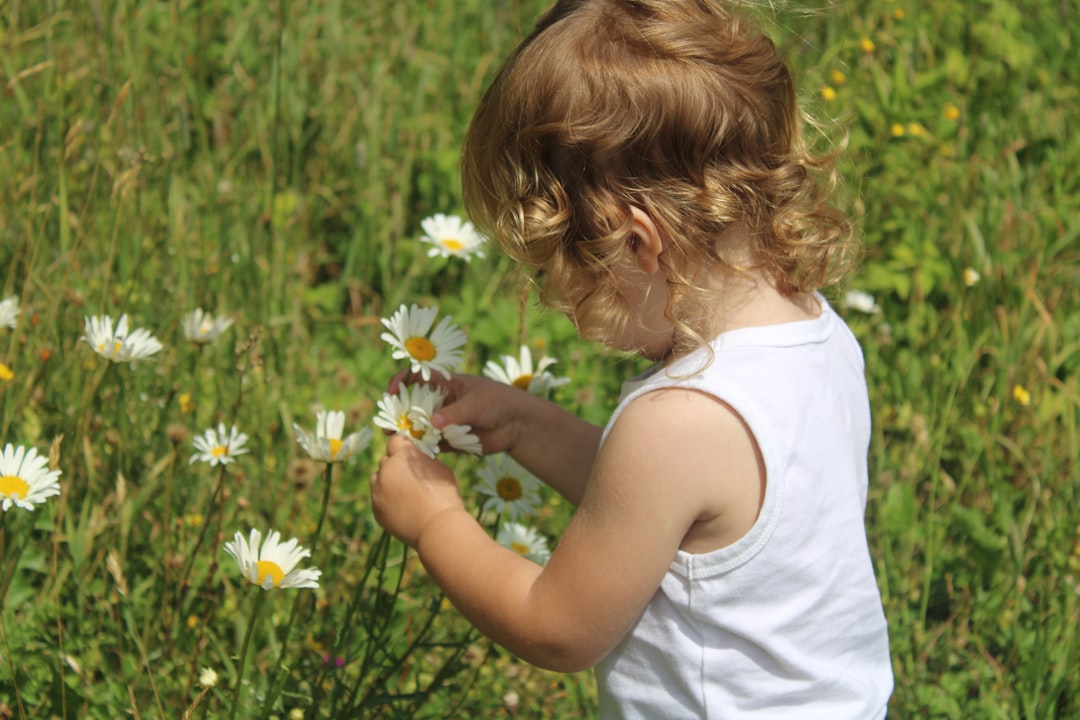
As spring arrived, our backyard transformed into a vibrant canvas of blooms. This season was perfect for gathering flowers, leaves, and even some twigs to incorporate into our art. The kids were eager to create, and I encouraged them to explore what they could find. We set off on our first outdoor art day, armed with bags to collect our materials.
- We collected dandelions, violets, and the tiny white flowers of clover.
- Each child had a unique collection, which sparked conversations about colors and shapes.
- Using the flowers, we made prints on the cardboard, dipping them in a mix of water and natural pigments we created from crushed petals.
As we painted, I noticed how much my kids were focused on the process. They weren’t just creating art; they were learning about the plants we were using. This led to discussions about seasonal changes, pollinators, and the importance of preserving these beautiful flowers. I realized that integrating art into our outdoor time not only fostered creativity but also encouraged curiosity about the natural world.
Summer: Textures and Shadows
When summer rolled in, I was curious to see how our project would evolve. The lush greenery around us provided a new backdrop, but I wondered how my kids would adapt their art-making to the warmer temperatures and different materials available. We decided to focus on textures this season. I introduced the concept of rubbing, where we could create art by placing paper over textures found in nature.
One hot afternoon, we set out with our supplies, looking for surfaces with interesting patterns. We found bark, leaves, and even some stones. My daughter’s excitement was palpable as she rubbed a piece of paper over the textured bark of a nearby tree, revealing intricate lines.
- The kids experimented with different colors using crayon shavings and natural pigments.
- They even made rubbings of their own hands and feet in the dirt, which led to giggles and some delightful mess.
Watching them engage with the textures around us, I realized that this season not only encouraged creativity but also enhanced their fine motor skills as they pressed and rubbed. The heat made us more aware of our surroundings, and we often took breaks under the shade of trees, reminding us of the importance of hydration and rest.
Autumn: Nature’s Palette
As the leaves began to change colors, I found myself intrigued by how this shift would influence our project. Autumn brought a riot of color and the opportunity to explore a new array of materials. My hypothesis was that the kids would find new ways to represent these vibrant changes in their art. We planned an afternoon to gather fallen leaves and other treasures that had begun to shift from summer greens to autumn hues.
We collected leaves in varying shades of yellow, orange, and red, and even some acorns and pine cones. The kids decided to create collages this time, layering the leaves on their cardboard to form trees, landscapes, and abstract designs. I encouraged them to think about different shapes and how they might use the materials to tell a story.
- We used some liquid glue to attach the leaves, but also experimented with pressing them flat.
- My son even found a leaf that resembled a hand and decided to create a “hand tree.”
This season sparked conversations about the cycle of life, as we discussed why leaves change color and eventually fall. The process was a beautiful blend of art and science, and I felt proud seeing their imaginative representations of the natural world.
Winter: Embracing Minimalism
As winter approached, I was curious about how the starkness of the season would influence their creativity. With fewer colors to work with, would it challenge them to think differently? We decided to work with what little nature provided then, using twigs, stones, and anything else we could find. This led to a minimalist approach to art.
One cold afternoon, we bundled up and ventured outside. The kids collected small branches and made simple sculptures, arranging them in ways that expressed their ideas about winter. I noticed that their play had become more abstract. They used the environment to inspire their designs, creating a winter scene that depicted a sleeping forest.
- They painted stones white to resemble snow and used twigs to build tiny trees.
- We even found a few pinecones, which they turned into miniature animals, adding a fun twist to their artwork.
This season challenged their creativity, encouraging them to think beyond what was visually present. We had long discussions about how winter affects animals and plants and how beauty can be found even in simplicity. I learned that embracing the quiet of winter allowed my kids to develop deeper reflections on their outdoor experiences.
Reflections on the Journey
As the year came to an end, we had created a vibrant collection of art pieces, each representing a season and the learning that came with it. What started as an experiment evolved into something more meaningful. My children learned about nature, seasons, and creativity, while I discovered the importance of letting them lead the process.
Through this ongoing outdoor art project, my kids engaged with their environment in ways I hadn’t anticipated. Each season brought unique opportunities for exploration and creativity, and I was heartened to see them develop a deeper appreciation for nature. They learned to see beauty in the changing world and expressed this through their art.
This process reminded me that fostering an ongoing outdoor art project doesn’t just enhance creativity; it also promotes curiosity and respect for the environment. As we move into another year, I look forward to continuing this journey, armed with the knowledge that the seasons will always provide inspiration.
As winter settles in and we await the return of spring, I can’t help but feel excited about what our next art adventure will bring.