This article may contain affiliate links. If you buy through them, Raising Kids Outdoors may earn a small commission at no extra cost to you. Learn more.
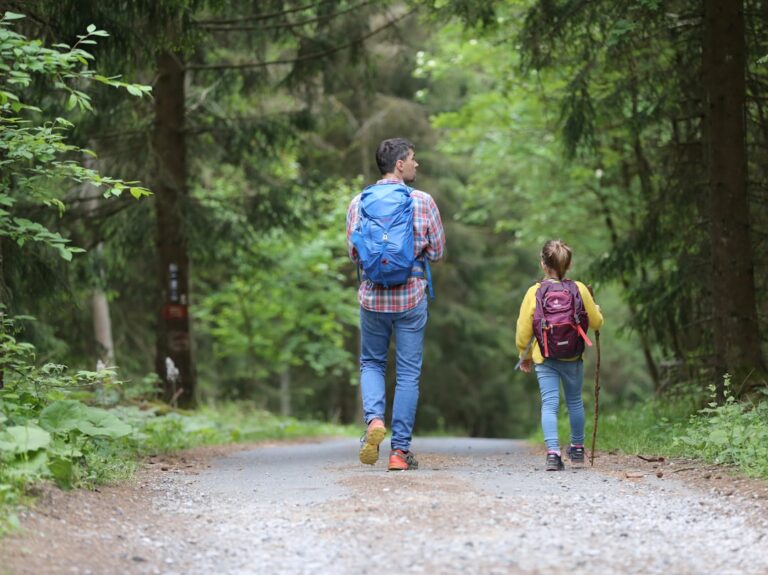
Last summer, I found myself at the foot of a popular hiking trail with my two kids, ages 3 and 5. I was hopeful that this would be a great family adventure. We had hiked before, but I wondered if I was asking too much from my toddlers by choosing a longer, more challenging route. Would a shorter distance lead to more enjoyment, or would they still find a way to turn it into a test of wills? I decided to put this question to the test, focusing on a nearby trail known for its shorter but interesting paths.
The Experiment: Choosing the Right Trail
I started by picking a trail that was just under a mile long, with moderate elevation and plenty of natural distractions along the way. The trail had a stream running beside it, a few small bridges, and patches of wildflowers that would surely catch their attention. I figured these features would help keep them engaged without wearing them out too quickly. With a lightweight backpack filled with snacks, water, and my camera, we set off.
First Observation: Engagement Levels
As we began hiking, I immediately noticed that my kids were more enthusiastic than they had been on longer trails. They stopped often to poke at rocks or watch ants marching along the path. At one point, my youngest crouched down to observe a tiny butterfly fluttering nearby. Instead of rushing through the hike, they were savoring each moment, collecting rocks and twigs to add to their nature treasure haul.
This slower pace seemed to enhance their experience. With a longer hike, I had often found myself pushing them along, keeping an eye on the time and thinking about the summit. This time, I let go of my expectations and simply followed their lead. They were excited and curious, and I realized that this shorter distance allowed for exploration rather than endurance.
Second Observation: Varied Interests
Another benefit of choosing a shorter hike was that it allowed for varied interests to shine. My older child, always fascinated by wildlife, often veered off the path to explore thickets or inspect the underbrush. I encouraged this behavior, knowing that it was part of their learning experience. Meanwhile, my youngest wanted to play in the stream, splashing water around like it was his own private amusement park.
We found a small area where the stream trickled down, creating a shallow pool. They both spent a good twenty minutes picking up pebbles, tossing them into the water, and watching the ripples expand. In hindsight, I realized that longer hikes often forced us to skip opportunities like this due to time constraints. With this outing, I felt more relaxed, and they were clearly having a blast.
Understanding Energy Levels
One of the most significant aspects of hiking with toddlers is managing their energy levels. Shorter distances mean less fatigue, but there’s also the question of maintaining their enthusiasm throughout the hike. I found that snacks played a crucial role in keeping their spirits high. I packed a mix of trail mix, cheese sticks, and apple slices, which we enjoyed at a scenic spot halfway through.
After our snack break, it was as if they had received a new burst of energy. I watched as my kids raced each other to the next tree, giggling as they went. This reminded me of a hike we took last fall when we attempted a two-mile trail. By the time we reached the halfway point, their energy had drained, and the mood soured. This shorter hike was proving to be a much better fit.
Terrain and Safety Considerations
When hiking with toddlers, terrain plays a crucial role in the overall experience. The shorter trail I chose was relatively flat, which eased my concerns about falls or scraped knees. I learned from past outings that uneven surfaces and steep inclines were often sources of frustration. By selecting a flatter path, I was able to keep the mood light and enjoyable.
However, even a simple trail like this came with its own challenges. I did have to keep a watchful eye on my youngest, who had a tendency to wander off. I found that encouraging them to walk in a straight line helped me gauge where they were. I also reminded them that if they stayed close, they would have more time to explore. This strategy helped balance their need for independence with my need for safety.
Family Connection and Memories
One of the most rewarding aspects of short hikes is the opportunity for bonding as a family. The relaxed pace allowed us to engage in conversations about the different plants we encountered and the animals we might see. We talked about the importance of being quiet in nature, which ended up being an amusing challenge in itself. My youngest giggled every time he accidentally squeaked on some twigs, leading to a series of tickled, whispering fits.
As we returned from our hike, covered in dirt and smiles, I reflected on the day’s successes. We may not have traveled far, but we created lasting memories. Shorter distances meant we could explore, laugh, and even practice our newfound skills in identifying birds and insects. It was a reminder that the journey is often more important than the destination, especially for young adventurers.
What I Learned and Next Steps
By the end of our hike, I felt confident that shorter distances could indeed mean more fun for toddlers. This experience reinforced the idea that hiking with young children doesn’t need to be a race to the finish line or a test of endurance. Instead, it can be a rich opportunity for exploration, learning, and connection.
I plan to seek out more shorter hikes in the future. I also want to make a point of asking my kids what they want to explore next time. Maybe it will be a chance to find more bugs or have a picnic by a creek. Engaging their interests and allowing them to set the pace will likely enhance our overall experience.
Closing Thoughts
For parents looking to introduce their toddlers to hiking, I encourage you to consider the benefits of shorter trails. You may find that the slower pace and the opportunity for exploration turn what could be a tiring ordeal into a fun family adventure. Give it a try, and who knows? You might just find that a little less distance can lead to a lot more joy.