This article may contain affiliate links. If you buy through them, Raising Kids Outdoors may earn a small commission at no extra cost to you. Learn more.
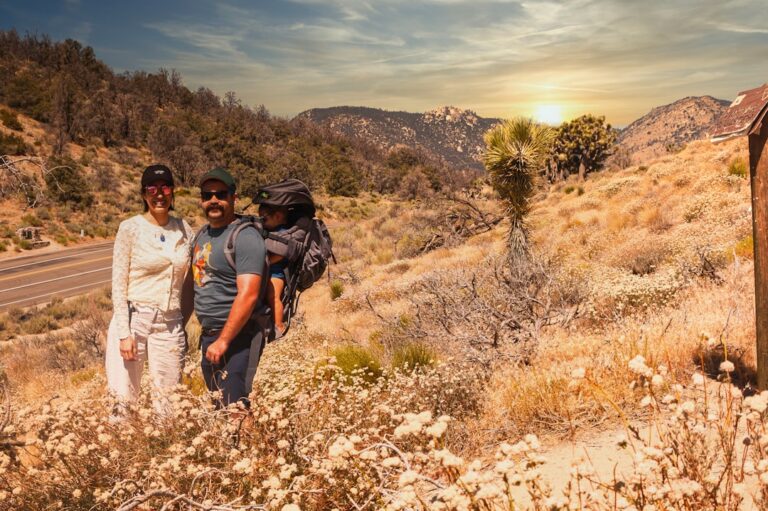
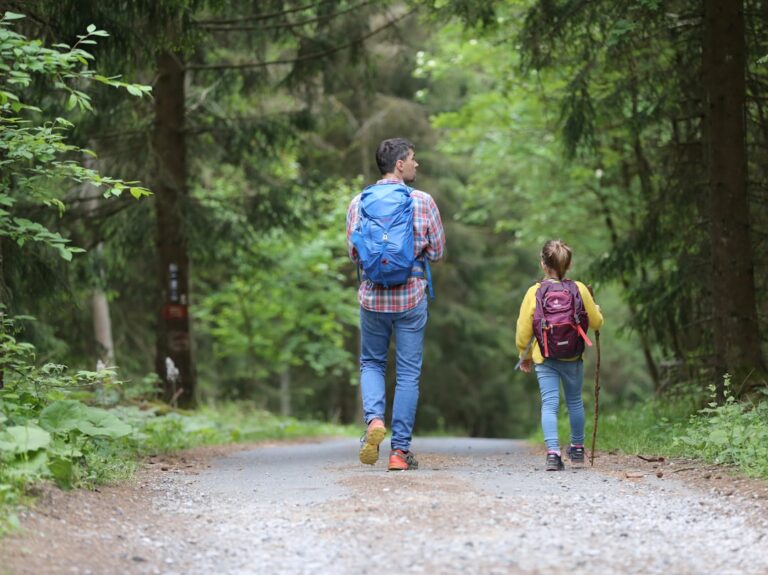
Last weekend, we decided to head to one of our favorite local trails. We were excited for a family hike, ready to soak in the fresh air and the sights of the changing leaves. As we packed our gear, I threw the trail map into my bag, thinking we would need it to navigate the twists and turns of the trail. Little did I know, this outing would soon transform into an unplanned adventure.
A Small Mishap
About halfway through our hike, as we stopped for a snack break, I rummaged through my bag and realized the map was missing. Panic set in for a moment as I imagined being lost in the woods. However, I quickly looked at my kids, ages 8 and 5, who were blissfully munching on trail mix and admiring a cluster of bright mushrooms nearby. Their carefree attitudes reminded me that perhaps we could make this work without our crutch.
Instead of retracing our steps, I wondered what would happen if I handed my son the phone to show him how to use a map app. I had seen him play with GPS games before; surely he could help us find our way. With a little guidance, he began to navigate while we followed his lead. This simple switch in responsibility immediately sparked his interest. I watched as he pointed out various landmarks on the screen and started to connect them with the surrounding terrain.
Exploring Without a Plan
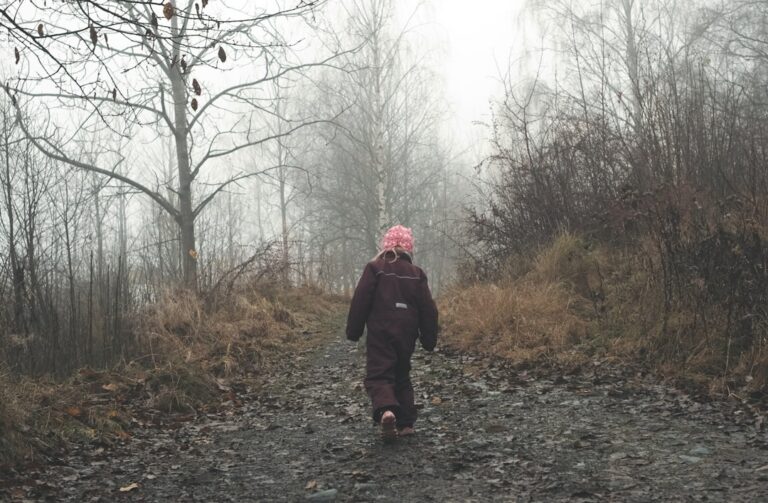
As we ventured off the main path, I felt a mix of excitement and trepidation. The trails we had walked become less familiar, yet there was something liberating about not having a defined route. The kids began to notice the little things on our new path, an ant hill bustling with activity, leaves rustling as squirrels leapt from branch to branch, and the soft sounds of water trickling in the distance. Each discovery was like a mini adventure in itself.
This change in scenery prompted some questions. Why do some trees lose their leaves earlier than others? How do ants know where to go? I encouraged my kids to think about these observations and make guesses. This was a great opportunity for hands-on learning, and it was happening organically, without worksheets or structured lessons. The world around us became a living classroom.
Lessons from Being Off the Beaten Path
After about an hour of wandering, we stumbled upon a small clearing. It was a peaceful spot with a gentle stream running through it and a few large rocks that made perfect seats. We decided to rest and hang out for a bit. As we sat there, I thought about how this unplanned detour was teaching my kids more than just how to navigate a trail.
For example, the experience was teaching them to trust their instincts. My daughter, at just 5, was starting to feel confident in her ability to recognize the difference between various plants and even spotting animal tracks. She pointed to some paw prints nearby and announced with delight that they belonged to a fox, which sparked a fascinating discussion about local wildlife. I had not anticipated that losing our way would lead to such rich learning moments.
Creating New Memories
We eventually made our way back to a well-known area of the trail, but that didn’t diminish the adventure we’d just experienced. In fact, I found that we were more engaged with our surroundings than we typically would have been while sticking to the main path. Sometimes, the unexpected detours can lead to the best memories. My kids talked excitedly about all the things we had seen and learned while we navigated our way through the unknown.
On our hike back, I encouraged them to tell me what they enjoyed the most. My son excitedly mentioned navigating the map, while my daughter spoke about the fox tracks and the mushrooms. Their choices provided insight into how kids interpret their experience differently, and I realized the importance of allowing them some leeway to explore independently, even if it means losing the trail map along the way.
Your Own Outdoor Adventures
If you find yourself in a similar situation, here are a few tips on how to make the most out of an unexpected detour:
- Stay calm: If you lose a map or your planned route, take a deep breath. This is an opportunity for exploration.
- Engage your kids: Allow them to help navigate or make decisions about the path. Kids often feel empowered when they take part in planning.
- Embrace learning: Use the opportunity to explore new elements of nature. Encourage questions and curious observations.
- Document the adventure: Consider keeping a nature journal during your hikes. Jotting down notes or sketching can help hold onto those spontaneous moments.
Closing Thoughts
Losing our trail map turned what could have been a stressful situation into a delightful adventure. I learned that sometimes the best experiences come from stepping off the beaten path, allowing nature, curiosity, and our children to guide us. The next time we head out for a hike, I think we might leave the map behind on purpose, and see where the wilderness takes us!