This article may contain affiliate links. If you buy through them, Raising Kids Outdoors may earn a small commission at no extra cost to you. Learn more.
When planning our family hikes, I often feel the urge to pick the trails based on scenery, difficulty, or how long I think my kids will last. But what if I stepped back and let my children take the reins? I decided to test this idea on a recent weekend adventure, curious about how their choices would shape our outing. Would they pick a trail too ambitious for their ages? Would they choose based on whimsy rather than practicality? I was ready to find out.
Setting the Stage for Choice
My kids, ages eight and six, are energetic explorers but still enjoy the whimsical side of nature. The week before our hike, I laid out a selection of maps from nearby parks. Each map featured trails of varying lengths and difficulties. My hypothesis was that giving them the power to choose would not only increase their engagement but also teach them more about the outdoors, from navigation to assessing trail conditions.
As we gathered around the table, I encouraged them to discuss what each trail might offer. I pointed out features like streams, hills, and maybe the possibility of spotting wildlife. To my surprise, they were particularly drawn to a trail labeled “Mystical Creek,” a name they believed promised adventure. It was a short loop, about two miles, which seemed achievable, but I had my doubts about whether it would hold their interest.
Setting Off on the Chosen Path
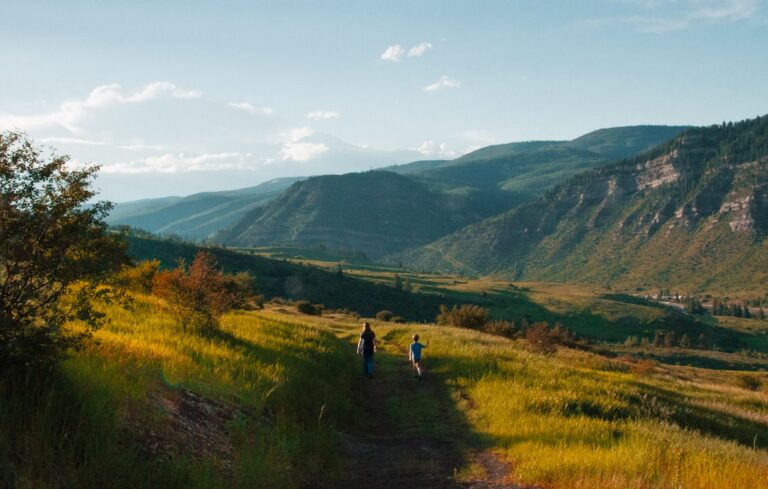
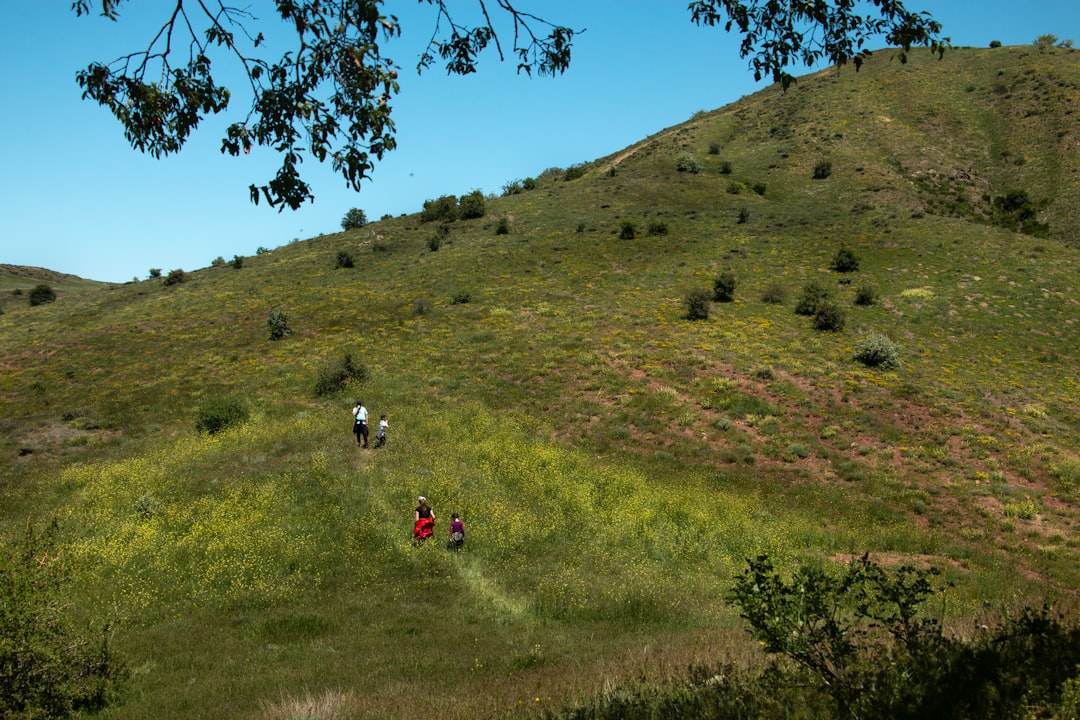
With snacks loaded and water bottles filled, we set off to the trailhead. The kids led the way with a palpable excitement. I had to remind myself to stay back and let them navigate. As we walked, I observed how they engaged with the environment differently than when I led. They stopped to admire flowers, poke sticks into the creek, and listen to the sound of the water. All of this felt instinctual to them, and it was refreshing to see their natural curiosity unfold.
What the Kids Notice
One of the first discoveries was a small patch of wildflowers. While I might have hurried past, my kids wanted to stop and examine each bloom closely. Their excitement over identifying colors and shapes made me realize that they were learning about local flora in a way I had never anticipated. It dawned on me that by choosing the trail themselves, they were also steering their learning experience.
We also stumbled upon a few fallen logs that served as perfect opportunities for a mini obstacle course. They hopped and climbed, focusing more on navigating the terrain than on the hiking itself. I noticed their attention spans seemed elongated, no longer tethered to the idea of reaching a destination. Instead, they were enjoying the journey. This made me wonder: did the act of choosing the trail influence their overall experience?
Overcoming Challenges Together
About halfway through, however, we hit a snag. The trail had become more rugged, leading us into a rocky area that was not as forgiving for the younger one. My six-year-old started to lag behind, visibly frustrated. I could see the challenge of this part of the trail weighing on him. It was tempting to jump in and take charge, redirecting us back to an easier path. But I paused, recognizing this was part of the lesson.
I knelt down and asked him how he felt. He expressed his disappointment and hinted at wanting to turn back. Instead of insisting on moving forward, I suggested a compromise. We could take a break, gather our energy, and reassess the trail ahead. I noticed my older child chiming in, supporting their brother and reinforcing the idea that teamwork makes hard paths easier to manage. This moment of vulnerability led to growth in both of them, showing that making decisions together meant facing challenges together.
Learning About Nature and Ourselves
After a short rest, we decided to continue. The presence of their chosen path was somehow empowering. They took on the challenge and even helped each other navigate tricky spots. I was amazed at how much they had learned about patience and support during a moment of struggle. As we made our way through the rocky terrain, I saw them becoming more adept at scanning the trail ahead, forecasting both obstacles and rewards.
Reflection on the Experience
By the end of our hike, I felt a sense of accomplishment, not just from completing the trail but from witnessing my kids take ownership of their outdoor experience. Their choice extended beyond mere scenic preferences; it became a learning opportunity filled with problem-solving, teamwork, and connection to nature. In one afternoon, they had grown more familiar with navigation, trail etiquette, and even basic geology as they examined rocks and soil.
Looking back, I realized that letting them choose the trail transformed our hike into a shared adventure. Rather than guiding them along a predetermined path, I was able to witness them navigate challenges and discoveries in a way that felt organic and fulfilling. I had worried about their expectations; instead, they exceeded them by creating a memorable experience on their own terms.
General Insights for Future Hikes
As I reflect on that day, I consider what other families could gain from allowing their children to choose their hiking adventures. Here are some insights based on our experience:
- Encourage Exploration: Letting kids select the trail can spark their natural curiosity. They are more likely to engage with their surroundings and appreciate the journey.
- Foster Decision-Making: Involving children in trail selection teaches them about making choices based on preferences and capabilities. It also promotes critical thinking as they weigh options.
- Adapt to Challenges: When kids encounter obstacles they chose, they learn resilience. Rather than viewing challenges as setbacks, they can see them as opportunities for growth.
- Build Connection: Allowing kids to lead fosters a sense of ownership not just over the hike but also over their relationship with nature. This can lead to a lifelong appreciation for the outdoors.
Final Thoughts
Overall, my experiment in letting my kids choose the trail was a small yet significant shift in our outdoor outings. The experience was filled with laughter, learning, and moments where they surprised me with newfound abilities. I encourage other families to try this approach. You might find that the journey is even more rewarding when your kids steer the way.