This article may contain affiliate links. If you buy through them, Raising Kids Outdoors may earn a small commission at no extra cost to you. Learn more.
Last summer, the forecast predicted an afternoon of rain that sent my kids into a half-hearted sulk. I wondered how we could turn their disappointment into something more rewarding, a way to explore the world right outside our door. I decided to grab our rain gear, thinking that maybe, just maybe, this could be a chance to uncover the hidden wonders of our backyard.
Exploring Mud and Mystery
As the first drops started to fall, I suggested we head outside instead of retreating indoors. The kids, ages five and seven, were skeptical at first. But once we donned our waterproof jackets and galoshes, their excitement was palpable. We ventured into our backyard, where the rain transformed the landscape. The colors were richer, and the air smelled like earth. I had a hunch that this would be a memorable day.
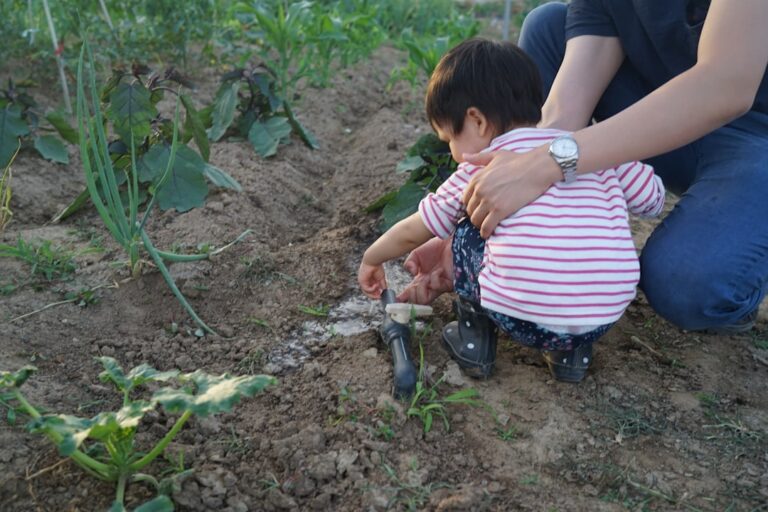
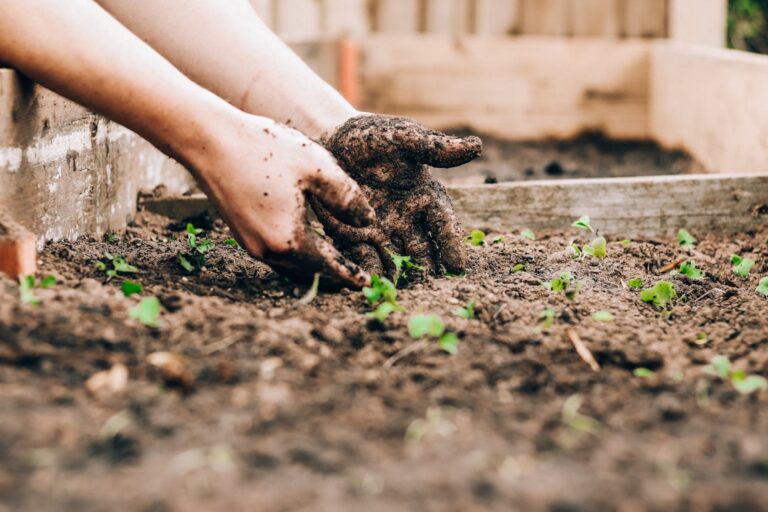
In the past, rainy days were often met with movies or video games. But on this day, I wanted to flip that script. I pointed out how the rain was making the soil soft and inviting, and this intrigued them. We started digging around with our hands, feeling the cool earth between our fingers. I was curious to see how long their attention would last when it came to the squishy, muddy stuff.
The Slug Safari
Once we had established our “mud base camp,” the kids discovered their first slugs. At ages five and seven, their reactions were predictably varied. My younger child squealed with delight, his eyes wide as he found a particularly large specimen. My older child, however, was less enthusiastic, wrinkling her nose and declaring them “gross.” I seized this opportunity for a mini-lesson. We gathered around the slug, and I began sharing facts about them. Did you know that slugs are hermaphrodites, with both male and female reproductive organs? That blew their minds.
Here’s where my hypothesis about creativity and curiosity during a rainy day came into play. Would my kids develop a new appreciation for creepy crawlies? To test this, I suggested we make a “slug journal.” They could sketch the slugs they found, write down fun facts, and share their feelings about them. My younger one became a natural artist, creating a detailed drawing of his prized find. Meanwhile, my older child started to ask more questions, like why slugs came out during the rain and how they contributed to the ecosystem.
The Science of Soil
As the rain continued, we branched out from slugs and started exploring the soil itself. I explained how soil is home to countless organisms that help plants grow, and my kids were genuinely intrigued. We began to dig deeper, unearthing earthworms and other insects. My younger child was particularly fascinated with the earthworms, insisting they looked like “squiggly noodles.”
We collected samples of soil from different parts of the yard, comparing the texture and moisture levels. The ongoing rain made this easy, and I noted how this simple experiment captivated them for a good chunk of time. By focusing on the soil’s different colors and textures, we ventured into questions about plant life, nutrients, and the importance of healthy soil. I could see their understanding deepening with every squishy handful.
Rainy Day Reflections
The rain eventually slowed to a drizzle, and as we wiped mud off our hands and faces, I noticed how much joy they had found in the experience. Their earlier disappointment had morphed into a sense of adventure. We returned to our makeshift base camp, surrounded by the lingering scents of wet earth and the faint sound of rainfall. They began flipping through their slug journals, sharing their findings with each other.
It was a simple, spontaneous day filled with dirt, slugs, and learning, but it became a turning point in how my kids viewed nature, especially on days that might initially seem dreary. They learned to appreciate the often-overlooked worlds beneath their feet. I had tested my hypothesis and found that a rainy day, rather than being a setback, could ignite curiosity in unexpected ways.
Lessons in Slugs and Soil
Fast forward a few weeks, and I noticed that my kids began looking for slugs and worms during our outdoor excursions. They were inspired to learn more about the natural world. This led us to visit local nature centers and check out books from the library about soil ecosystems. I even overheard them excitedly discussing slugs with friends at the playground, talk about a transformation! It seemed like this rainy day had opened up new avenues of interest we hadn’t tapped into before.
Reflecting on that day, I realized that there was more than one lesson at play. The experience helped them embrace nature regardless of conditions. It also showed me that dirt, bugs, and even the rain could be catalysts for deeper learning and bonding. Each time I saw them crouched down in the mud, I was reminded of the endless possibilities that lie in our backyards if we take the time to explore.
Bringing the Outdoors In
We didn’t stop our exploration after that rainy day. Inspired by their newfound love for slugs and soil, we began incorporating more outdoor learning into our routine. We built a small worm bin at home, where we could observe the composting process and learn about decomposition. This turned into an ongoing project that added another layer to our backyard ecosystem understanding. It became a small but meaningful connection to nature, and my kids took pride in caring for their squishy friends.
On rainy days, we still venture outside, but now, instead of shying away from the elements, my kids race to put on their rain boots and jackets. Armed with magnifying glasses and notebooks, they are eager to observe the “new” life that appears when the rain brings everything to the surface. It has transformed the way they view not just slugs and soil, but the very essence of nature itself.
Conclusion
That rainy day was more than just a bit of fun in the mud; it was a fundamental shift in how my kids interact with the natural world. It reminded me that sometimes, the best adventures happen when the weather isn’t perfect. By embracing the messiness of nature, we found beauty in soil and slugs, and my kids discovered that the outdoors is full of wonder, even when the skies are gray. Each rainy day since has become not a reason to stay inside, but an invitation to step out and explore.