This article may contain affiliate links. If you buy through them, Raising Kids Outdoors may earn a small commission at no extra cost to you. Learn more.
When we first moved to a house with a yard, I imagined my kids running through the grass and collecting leaves. What I didn’t anticipate was how much time they would spend digging in the dirt. In an effort to foster their love for nature, I decided to experiment with different ways to engage them with the soil. What would happen if we made dirt play the focus of our outdoor time? I wanted to see how it would change their perception of nature.
Starting Small: The Joy of Digging
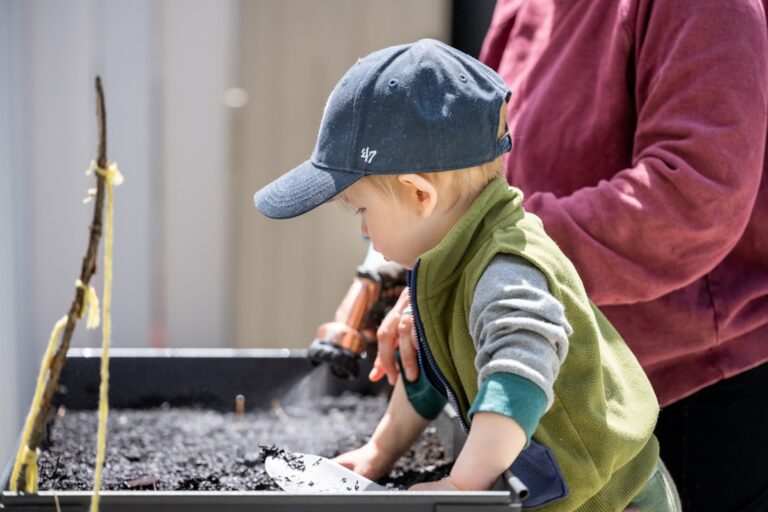
One sunny afternoon, I handed my four-year-old, Oliver, and my six-year-old, Mia, a couple of small shovels and pointed them toward a patch of dirt in the yard that had been long neglected. At first, they seemed unsure of what to do. They poked around, occasionally glancing back at me for direction. It reminded me of my own childhood experiences, where a simple pile of dirt could transform into an entire world of possibilities.
When I stepped back and observed them, I noticed their hesitance begin to fade. They dug deeper, their hands now coated in the soil. As the dirt flew through the air, so did their excitement. “Look, Mom!” Mia shouted as she unearthed a handful of tiny worms. This moment marked the first shift in their connection to the earth beneath them. Suddenly, dirt was no longer just something to walk on. It was alive, teeming with movement and color.
What Lies Beneath: Discovering Soil Life
After that initial dig, our yard became a hub of exploration. We started a weekly “dirt day,” where we would dig in various sections of the yard, examining what lay beneath the surface. Each week brought new discoveries. One Saturday, I brought an old magnifying glass outside. We found roots, insects, and even the occasional surprise like a small rock or a snail shell.
Oliver, in particular, was fascinated by the worms. He spent hours learning about their role in the ecosystem. I loved seeing how he began to understand that these small creatures were not just slimy nuisances; they were vital to the health of our soil. We even set up a mini worm habitat in a clear container so he could observe them for a few days before returning them to the earth. His excitement reminded me of my own childhood when I would create makeshift homes for ladybugs in jars.
Lessons in Patience and Observation
Through these explorations, I noticed that my kids were developing patience. Soil is not instantly rewarding like some outdoor activities. You have to dig, sift, and wait to see what you might find. This slower pace seemed to engage their attention in ways I hadn’t seen before. Instead of bouncing from one activity to another, they began to focus on the minutiae of their surroundings. We started talking about different types of plants and how they were connected to the soil.
During one of our outdoor sessions, we accidentally uprooted a small clump of grass with tiny, delicate flowers peeking through. Instead of being frustrated at our “mistake,” we transitioned into a lesson on native plants. Mia was particularly drawn to the vibrant colors of the blossoms, and I saw a spark in her eyes as she realized that there was beauty even in the most unassuming patches of earth.
Playing in the Dirt: A Deeper Connection
As we continued our “dirt days,” I began to notice a shift not just in their attitudes toward soil, but also toward the outdoors in general. The dirt was a gateway to broader lessons. I watched as they started to appreciate the weather, eagerly waiting for a rainstorm to see how the ground changed. They began to construct small worlds in the dirt, miniature villages inhabited by acorns and sticks, prompting a series of imaginative play stories that unfolded before us.
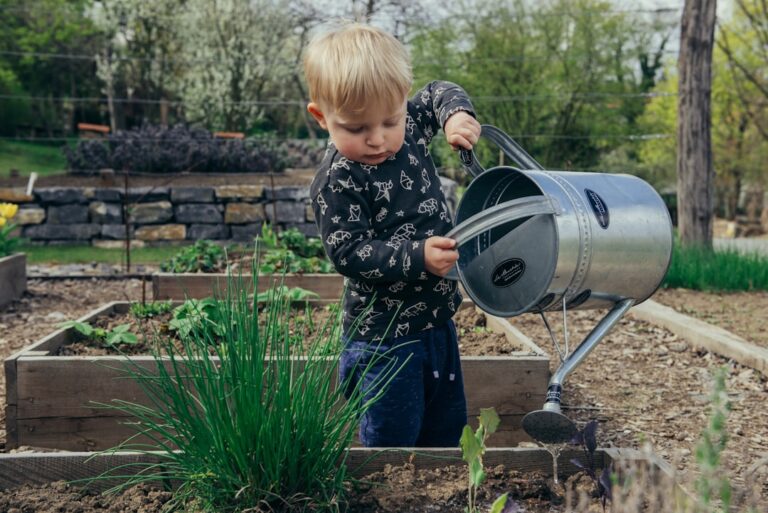
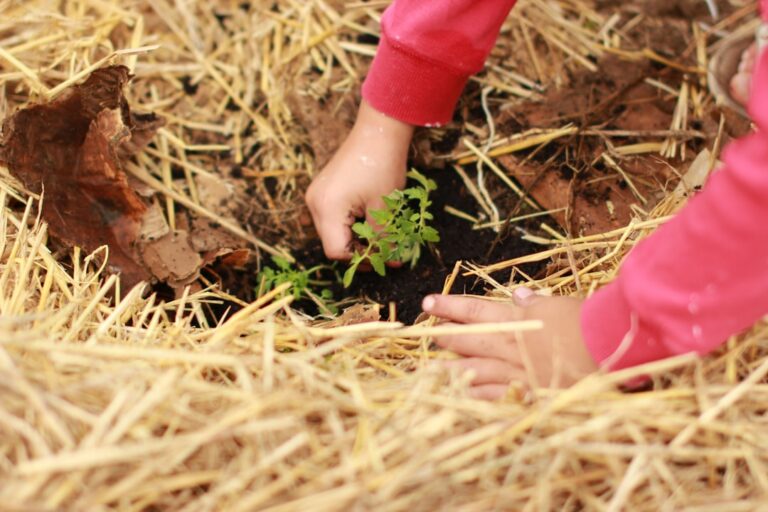
I also decided to introduce a few gardening elements to our dirt days. We planted sunflowers and beans, giving them a tangible connection between their digging and the growing process. It was incredible to witness their pride as they watered and tended to their plants, and they excitedly shared the progress with friends and family. The plants served as a reminder that life thrives in the dirt, and this deeper understanding only intensified their connection to nature.
Mixing Up the Dirt Day Routine
To keep our adventures fresh, I started varying our dirt day activities. One week, we made mud pies. The giggles and mess that day were unlike any other. It became clear that engaging with the dirt didn’t always have to be educational; it could simply be a platform for joy and creativity. On another occasion, we made a scavenger hunt list of items to find in the dirt, things like “three different kinds of leaves” or “a shiny rock.” This added a playful competitiveness while encouraging them to explore more thoroughly.
I noticed that their ability to identify and appreciate different elements of nature blossomed. Suddenly, they began to recognize the trees, flowers, and even the insects that they encountered during our walks in the park. Their newfound curiosity about the outdoors was exciting, and it felt like we were creating lasting memories grounded in a shared love for nature.
Challenges and Lessons Learned
Of course, not every dirt day went as smoothly as I’d hoped. Some afternoons ended with muddy clothes and tears. There were times when they lost interest quickly or argued over who got to dig where. I learned that patience and flexibility were crucial; not every outing needed to have a structured plan. Sometimes just letting them explore without an agenda yielded the best results.
On a particularly rainy day, I suggested we head outside anyway. While I was met with initial resistance, it turned into one of our most memorable days. The rain transformed the dirt into a gooey wonderland. They jumped in puddles, ran their fingers through the mud, and dug with renewed vigor. I realized that embracing the mess and the elements became as important as the learning itself.
Bringing it Full Circle
Looking back, I can confidently say that getting our hands in the dirt has fundamentally changed my kids’ view of nature. What began as a simple experiment turned into a deeper appreciation for the environment around us. They’ve learned that nature is not just a backdrop to their adventures; it’s an intricate web of life where they play an active role.
They have become eager learners, asking questions about everything from why the sky is blue to how plants grow in different environments. Most importantly, they’ve developed a sense of ownership and responsibility toward the earth. I often hear them discussing ways to help our environment during our walks, which reinforces that our explorations have shaped their connection to nature.
Closing Thoughts
This journey into the dirt has been about much more than just play. It has fostered curiosity, patience, and a sense of discovery in my children. As they get older, I am excited to see how these experiences transform into a lifelong love for nature. Getting our hands dirty has become a metaphor for engaging with the world around us, and I can only hope they carry this connection with them for years to come.